
Here’s how 2025 looked from the rostrum, after the dust had settled and the adrenaline finally wore off.
Have a look at the ten most expensive artworks sold this year; it’s almost comforting to think the market has quietly returned to post-pandemic form. The top 10 lots totalled $757 million. That’s the strongest total since 2022’s $1.1 billion and well above 2024’s $512.6 million or 2023’s $660 million.
The first half of the year carried on with an err on the side of caution. More than half a dozen major galleries closed their doors, and confidence was thinning. Some collectors held back. Others seemed to wander between hope and hesitation. The market felt brittle at times.
The major auction houses, Christie’s, Sotheby’s, and Phillips, worked hard to secure high-profile consignments. These were works with a tight provenance and names that tempted buyers. November delivered, though not without surprises. Sotheby’s showcased works from Leonard Lauder’s collection, while Christie’s countered with works from Robert and Patricia Ross Weiss. Some lots garnered interest immediately. Others stalled.
At Frieze London, deals were done, but the atmosphere lacked the electricity we had seen in other years. Art Basel Paris, by contrast, reminded European collectors that they still mattered and could still be players. The big November auctions: Nearly all the top ten sales landed there, nine out of ten, in fact. That says something about strategy, timing, and who was willing to sit and wait. Demands exist, sure, but the real story is in the moves, the orchestration.
By the time Art Basel Miami Beach closed, the market was already packing up for the Holiday. No one really knows how the market will behave this coming year. For now, the top ten auction results of 2025 illustrate a clear path: a year saved not by momentum, but by conviction and a little bit of circumstantial luck. When the top works of art appeared, buyers showed up. When they didn’t… well, they stayed firmly on their hands.
Here’s the LYST
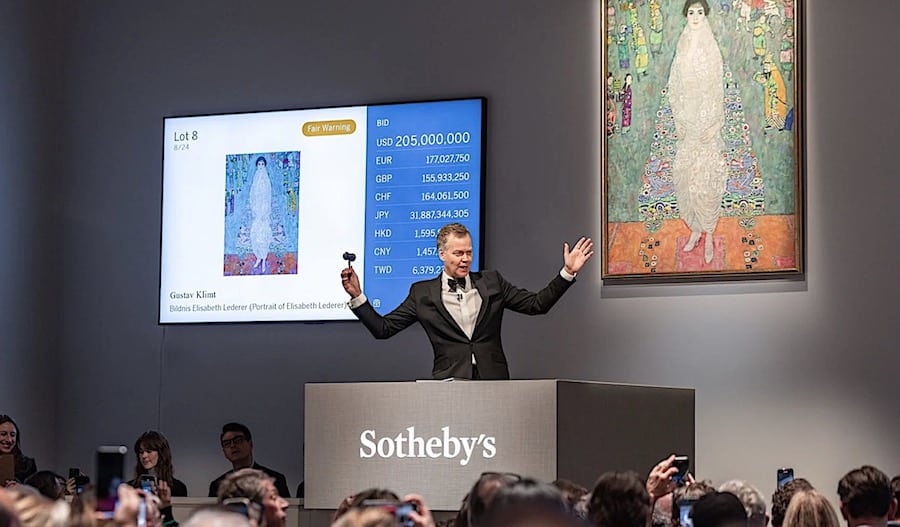
1. Gustav Klimt, Bildnis Elisabeth Lederer (Portrait of Elisabeth Lederer), 1914–16 – $236.4 million
The cover lot of Sotheby’s Leonard Lauder sale, this portrait did more than break records—it made history. After a 20-minute bidding war, the work became the second most expensive artwork sold at auction. Klimt’s signature mosaicked texture and meticulous layering make Elisabeth Lederer’s gaze both distant and arresting. It’s one of only two full-length portraits still in private hands, and whispers of a UAE acquisition hint it may soon leave the market for good. There’s drama in its survival, too: confiscation, restitution, and nearly a century later, a room filled with eager collectors.
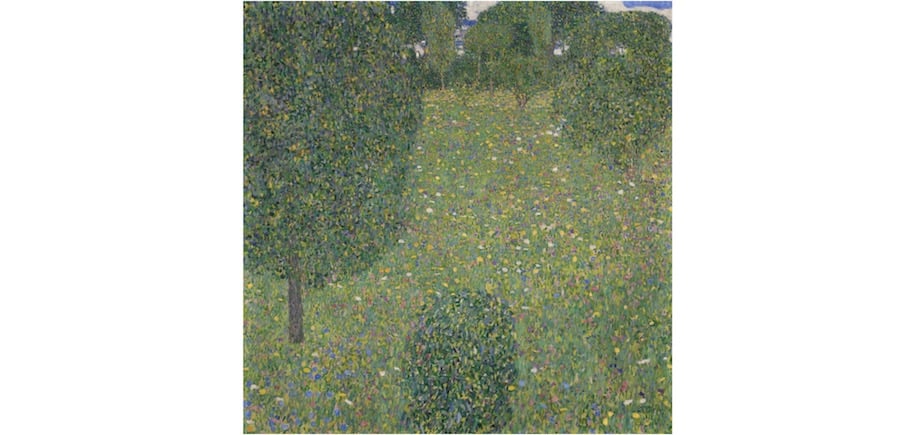
2. Gustav Klimt, Blumenwiese (Blooming Meadow), 1908 – $86 million
A jewel-like landscape, Klimt’s Blumenwiese captures the summer light of Lake Attersee with a square canvas that feels almost like a fragment of stained glass. Sold just after the Elisabeth Lederer portrait, it reminded buyers that Klimt’s landscapes could be just as arresting as his gilded portraits. The mosaic-like field of colour seems to shimmer under the auction house lights, teasing the eye while holding an unmistakable compositional discipline. It’s not just pretty—there’s a subtle sense of experimentation, and perhaps a nudge that even secondary works in a single-owner sale can demand attention.
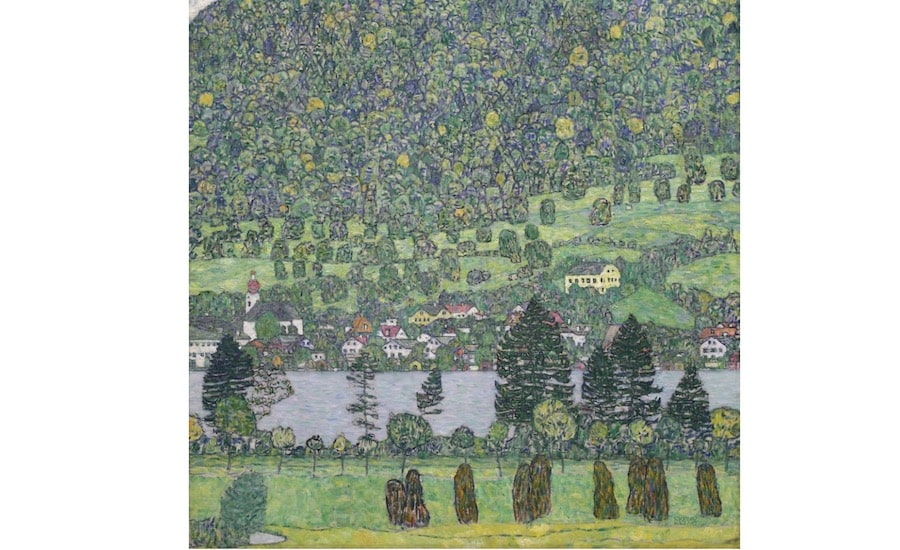
3. Gustav Klimt, Waldabhang bei Unterach am Attersee (Forest Slope in Unterach on the Attersee), 1916 – $68.3 million
The final Klimt in the Lauder sale, this landscape carries quiet weight. Painted during his last summer at Lake Attersee, it’s both a swan song and a slice of everyday beauty. The work is less showy than Blumenwiese, yet the brushwork whispers Klimt’s signature: delicate, layered, and intentionally uneven, as if the artist himself were letting the forest lead the composition. Collectors bid carefully—this one hammered below estimate—but there’s something in its subtlety that still makes it a standout.
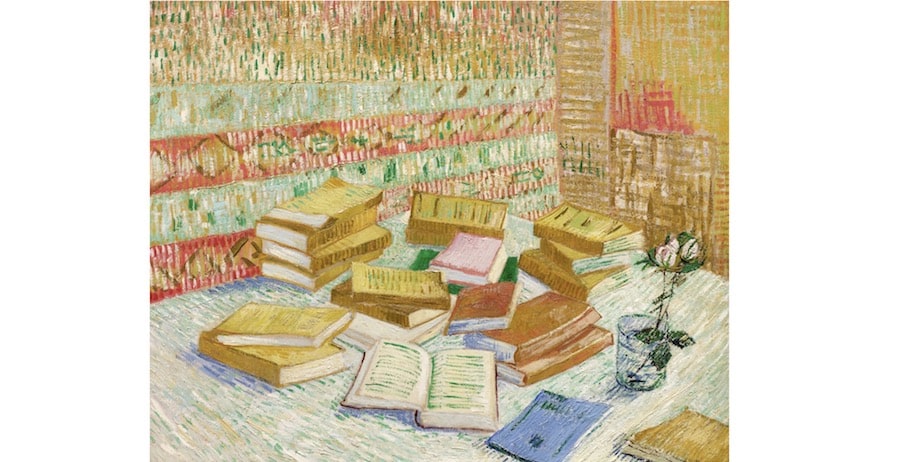
4. Vincent van Gogh, Piles de romans parisiens et roses dans une verre (Romans parisiens), 1888 – $62.7 million
Van Gogh’s Paris period rarely disappoints, and this still life was no exception. A seven-minute bidding war confirmed its desirability, with the work almost doubling the previous record for his Paris-era paintings. A casual observer might see a simple arrangement of books and roses, but Van Gogh’s brushwork makes every petal and page pulse with life. The market noticed: it’s the kind of painting where the subject’s quietness belies the energy of the execution.
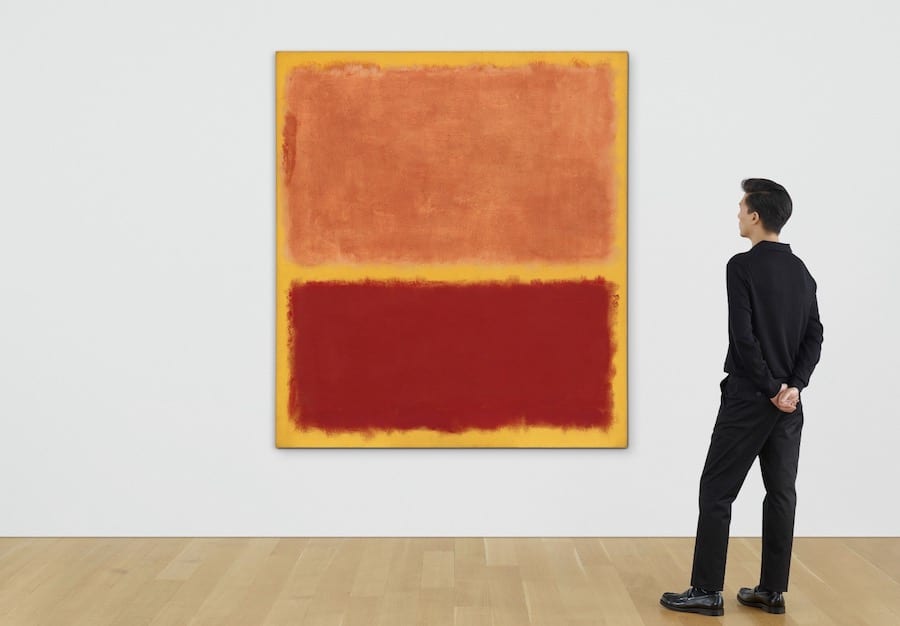
5. Mark Rothko, No. 31 (Yellow Stripe), 1958 – $62.2 million
Rothko’s monumental fields of colour seem simple until you stand close and feel their emotional charge. No. 31 is dominated by reds and oranges, a vertical stripe anchoring the composition like a heart. Sold during Christie’s Weiss collection auction, it went above the hammer price thanks to steady bidding. There’s a meditative quality to it, almost contemplative, and yet it doesn’t ask for calm—instead, it insists that viewers feel, and fast.
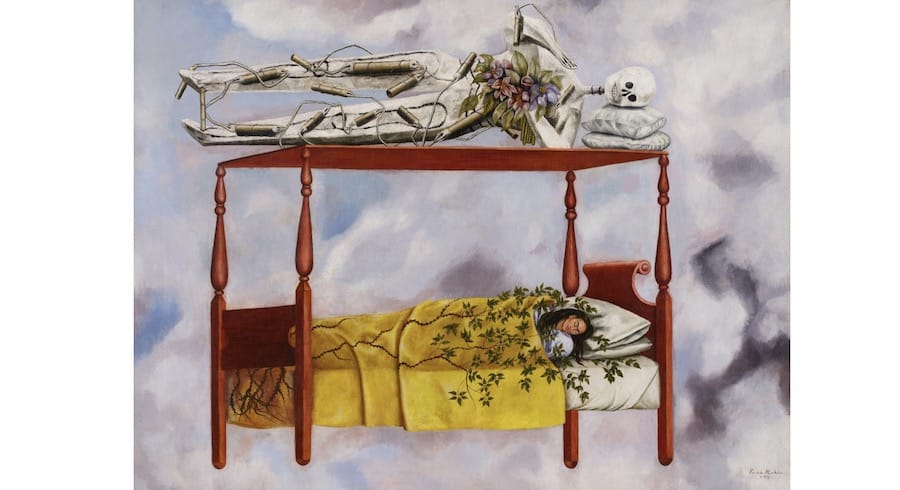
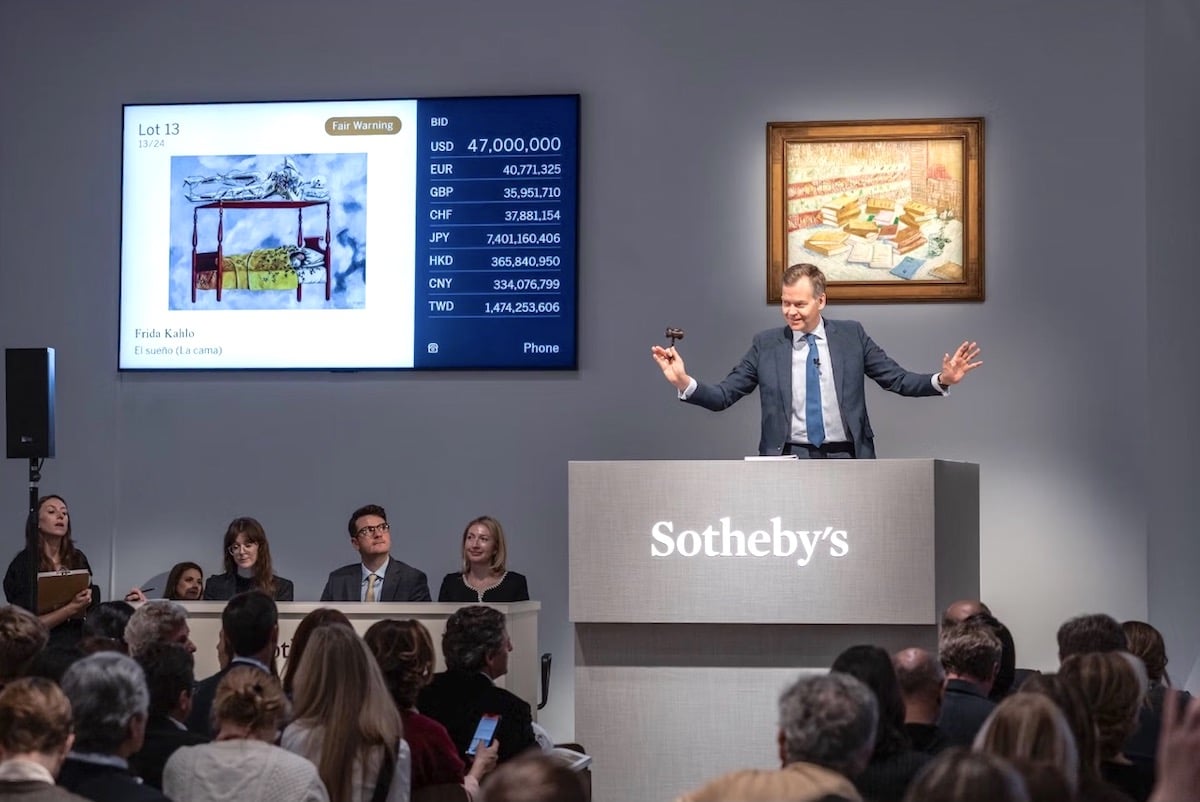
6. Frida Kahlo, El sueño (La cama), 1940 – $54.7 million
Kahlo’s El sueño is an intimate, slightly unsettling work. The bed, central to the composition, feels almost claustrophobic, while her Surrealist influences peek through in the dreamlike imagery. It reset the record for a woman artist at auction, surpassing Georgia O’Keeffe, and carries a quiet gravitas. The piece is less well-known than some self-portraits. Still, there’s a richness in its story—consigned by Selma Ertegun’s estate, steeped in personal and cultural history, and anchored in Kahlo’s persistent engagement with life and death.
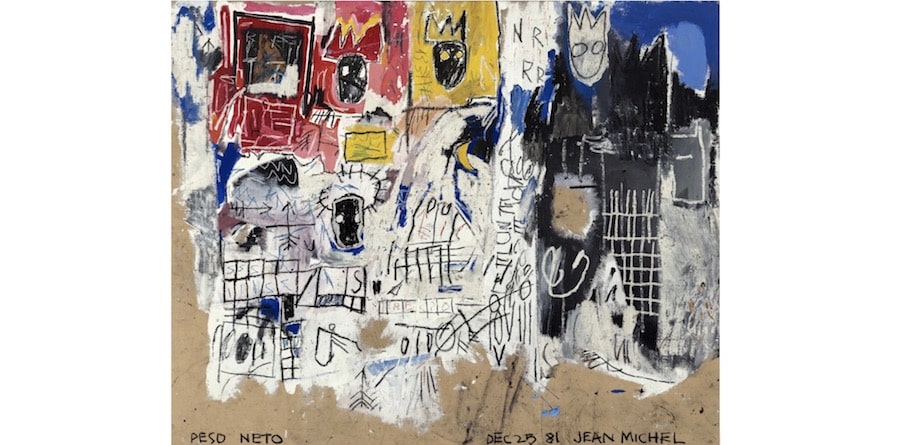
7. Jean-Michel Basquiat, Crowns (Peso Neto), 1981 – $48.3 million
1981 was a pivotal year, and Crowns embodies that ascent. Painted on Christmas night, with the date inscribed on the back, it’s as much autobiography as art. Sotheby’s called it a highlight of the “Now & Contemporary Evening Auction,” selling above the high estimate. The work carries playful grandeur—Basquiat crowning himself as he marks his rise in New York’s art scene. A collector’s pedigree only adds to the story, from Annina Nosei to Thomas Worrell and José Mugrabi, threading through the market’s long memory of his meteoric career.
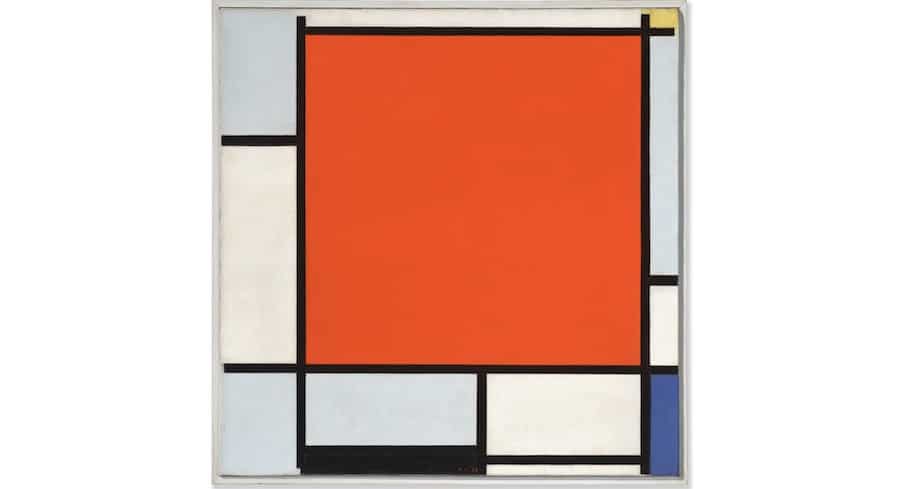
8. Piet Mondrian, Composition with Large Red Plane, Bluish Grey, Yellow, Black and Blue, 1922 – $47.6 million
Mondrian rarely hits the top ten in any given year, but this piece did, buoyed by a guarantee. Its geometric rigour is classic, yet the splash of colour feels almost accidental, like a note left by the artist mid-thought. Sold during a quiet May auction, it’s proof that even in a forgettable season, a single-owner sale with a well-known collector can generate serious results. It’s precise, yes, but still alive—the sort of painting that reminds you, Mondrian wasn’t just about straight lines.
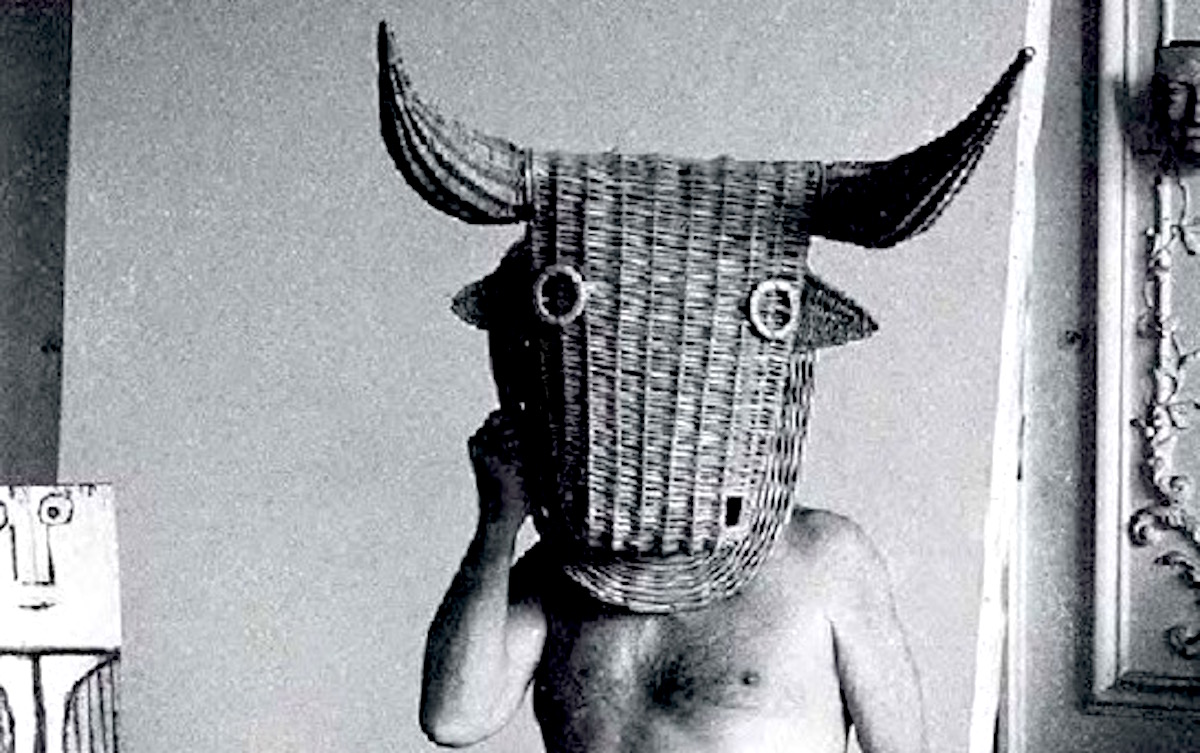
9. Pablo Picasso, La Lecture (Marie-Thérèse), 1932 – $45.5 million
Picasso’s works often act as market barometers, and La Lecture didn’t disappoint. From the Weiss single-owner sale, it hammered below the low estimate but still commanded attention. The painting radiates quiet intimacy: a woman absorbed in reading, captured in Picasso’s sensual, structured style. Four other Picassos sold that evening, none near this price, underscoring how one lot can define a sale’s narrative.
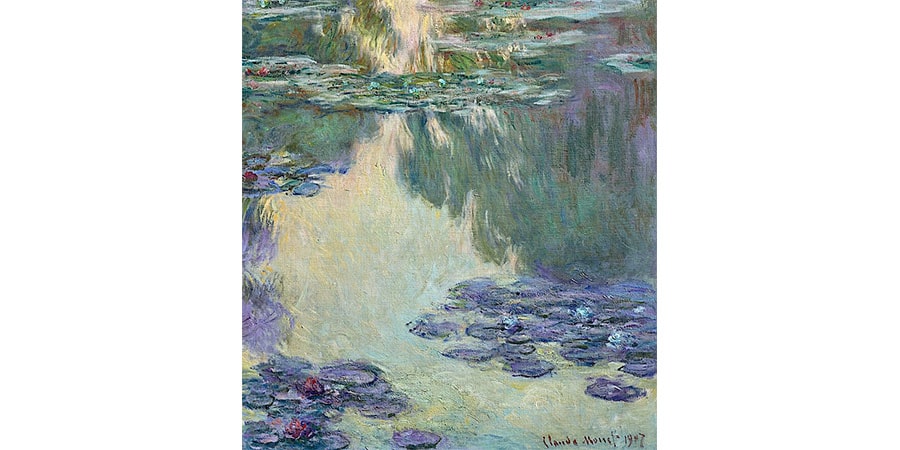
10. Claude Monet, Nymphéas, 1907 – $45.5 million
Monet’s iconic water lilies never fail to charm, and this 1907 example was colourful, lush, and immediately recognisable. Part of a Kawamura Memorial Museum sale, it surprisingly went below its low estimate, but that didn’t diminish its appeal. Christie’s called it “powerful” and “triumphant,” and it is—vivid blues and purples layering atop each other, shimmering in the light. It’s a gentle reminder that even masterpieces can surprise the market.