
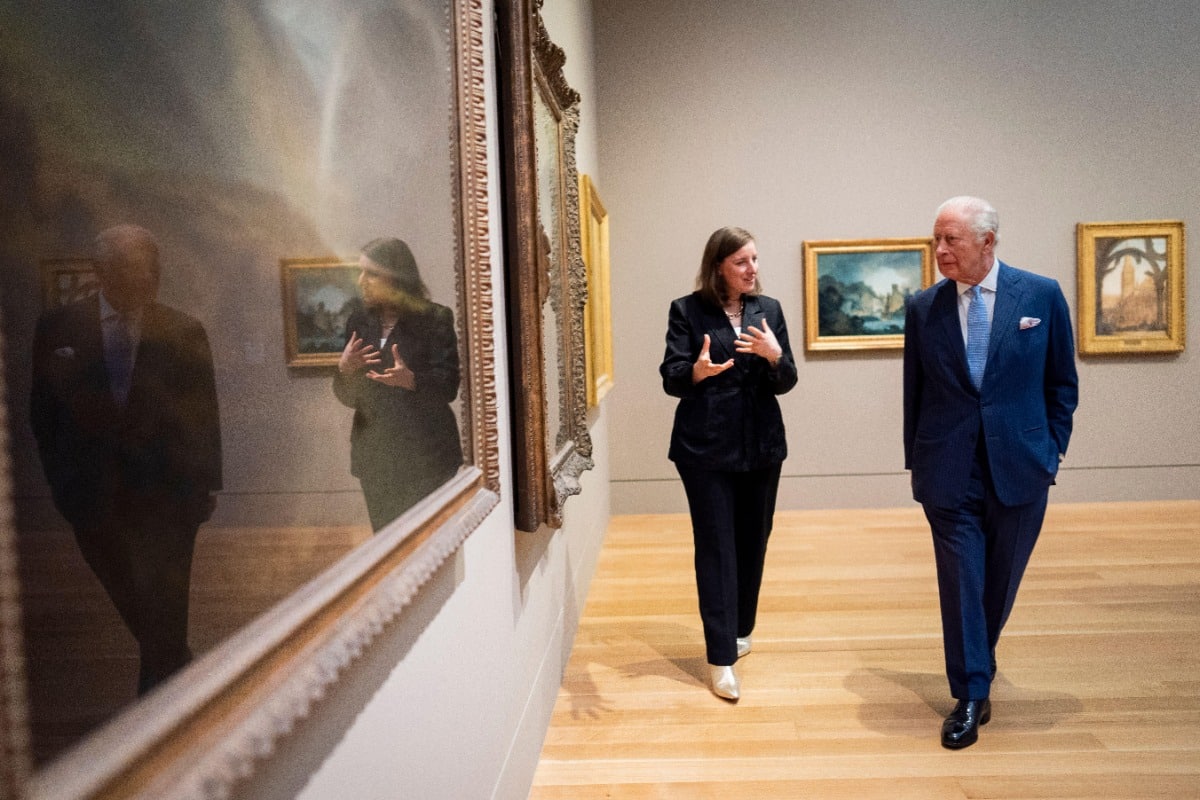
This week, Tate Britain had a visitor who skipped the queue. King Charles III came to see Turner and Constable: Rivals and Originals on 10 March, welcomed at the door by Tate’s Chair Roland Rudd, Interim Director Karin Hindsbo, and Tate Britain’s Director Alex Farquharson. Curator Amy Concannon Manton, Senior Curator of Historic British Art, led the tour. By all accounts, the King was deeply engaged throughout, which, given the quality of what’s on the walls, is not especially surprising.
The visit feels like a punctuation mark on what has already been an exceptional run for the show. Since opening in November, Turner and Constable has drawn over 185,000 visitors, making this Tate Britain’s busiest autumn-winter season in more than a decade. These are serious numbers for a serious exhibition, and they reflect something real. This is not a blockbuster built on brand recognition alone. The work justifies the attention.
The premise of the show is straightforward, and the execution is anything but. Turner and Constable were born within a year of each other — the exhibition marks the 250th anniversary of both — and spent much of their careers in productive, occasionally painful rivalry. What each man did to landscape painting, and what they did to each other in the process, changed British art permanently. Constable’s atmospheric immediacy, Turner’s chromatic ferocity. Two artists working the same territory by entirely different means, driving each other toward things neither might have reached alone.
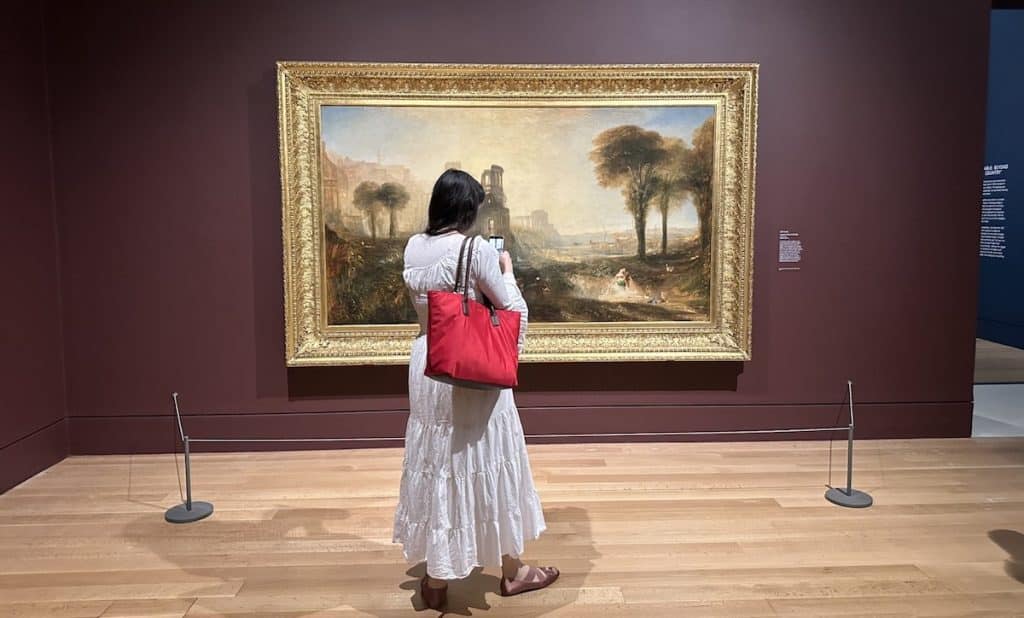
The exhibition brings together over 190 works, including loans from public and private collections worldwide, some of which haven’t been seen in the UK for decades. A handful haven’t been here for centuries. That alone makes it worth the trip, but the curatorial intelligence that holds it together — the decision to present the rivalry as a dialogue rather than a competition — elevates it further. Concannon and her team have done something genuinely difficult: made an argument about artistic influence that you feel rather than follow.
Farquharson, speaking after the royal visit, called it a once-in-a-lifetime show. That kind of language usually requires a degree of scepticism, but in this case it’s hard to argue against it. The anniversaries won’t align again. The loans won’t reassemble. When it closes, this particular constellation of works disperses back to wherever they came from.
The exhibition is now in its final month. Tate has added extended opening hours on selected Fridays, Saturdays and Sundays to cope with demand, which tells you everything about how the last weeks are likely to go. If you haven’t been, the window is closing.
Turner and Constable: Rivals and Originals is at Tate Britain, in partnership with LVMH, with support from the Huo Family Foundation and James Bartos. Tickets and extended hours information at tate.org.uk.
Read Artlyst’s Review of the Turner/Constable Exhibition Here