
At this time of year, stay away from the big galleries and swerve round to the smaller spaces. London pre-Christmas is crazy, crackers!
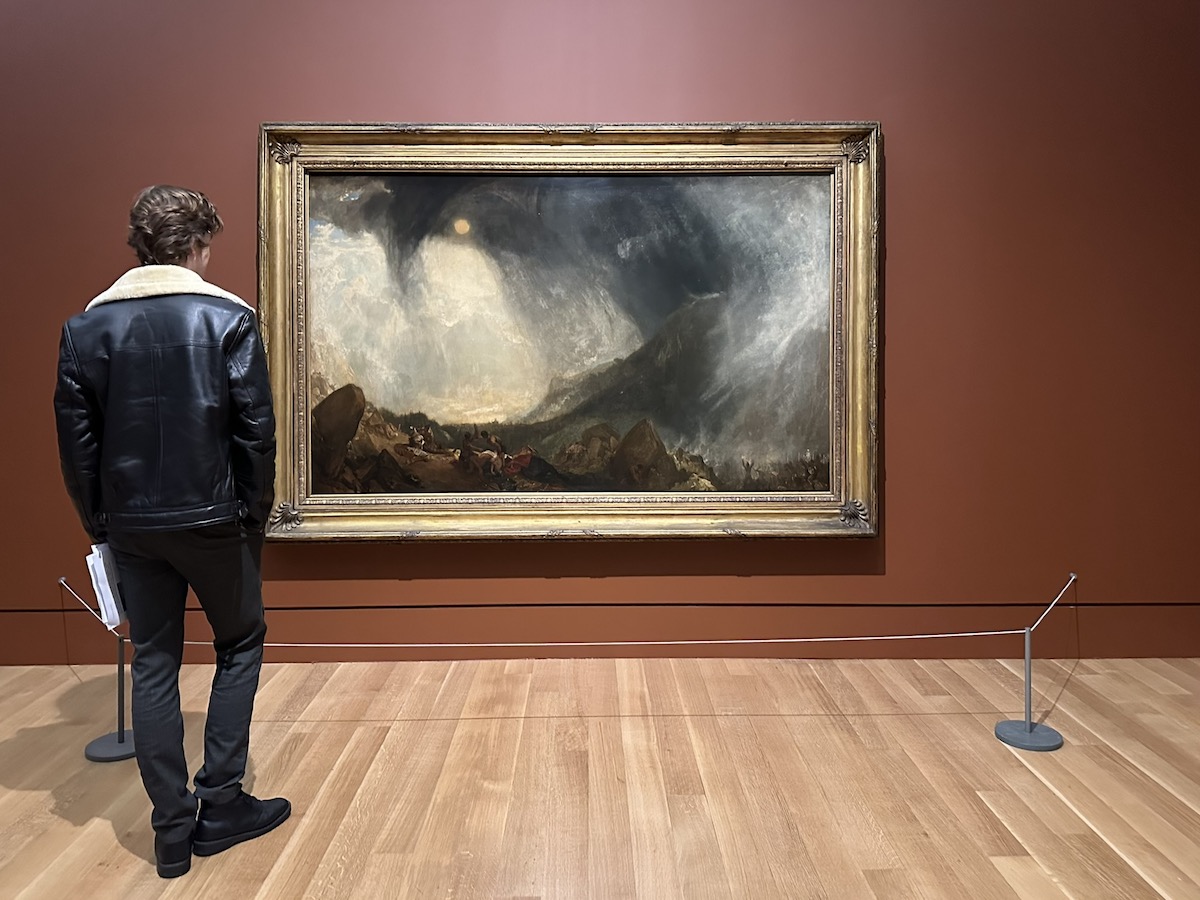
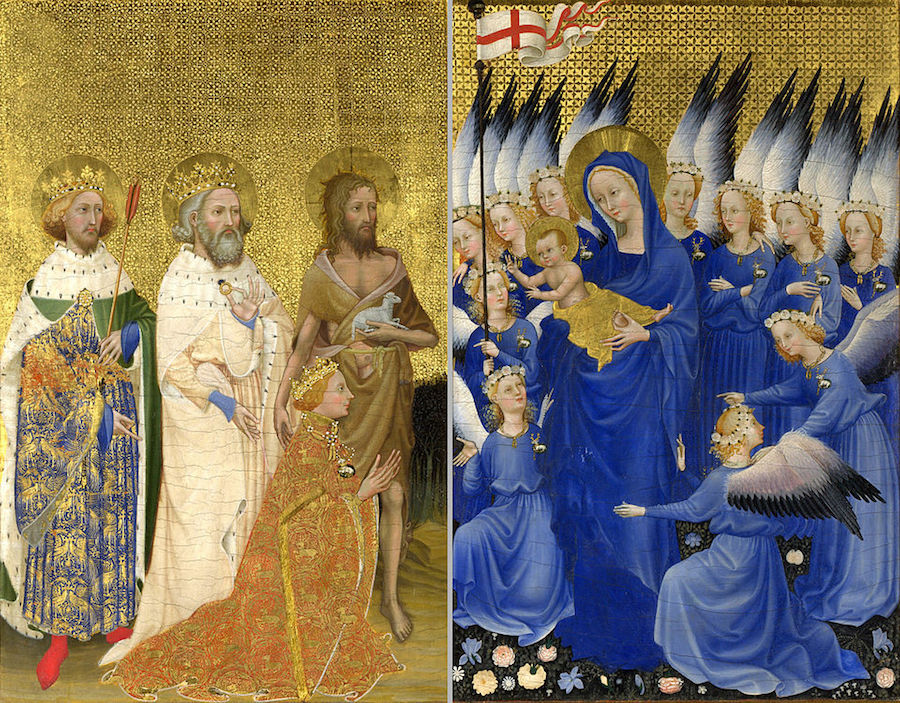
The importance of seeing Art up close and personal cannot be overestimated. Thinking you know or understand Art, its language, its subtlety, its nuance, from studying it on the Internet is impossible. From Turner to the Wilton Diptych is the Tate to the National Gallery, and all the van Goghs in the universe; you might know every Monet until you stand before them to be judged; you cannot speak the language.
If Art is about anything, it’s about feeling, and that sings off canvases. In a way, this is what Warhol’s factory was against, its uniqueness, but with its anarchy, it created its own individuality simultaneously. The lack of its brushstrokes, its cold, simple factory repetition has a feeling, whether you want or like it, is up to you. It was the 1960s version of AI, and aren’t we all trying for a bit more authenticity?
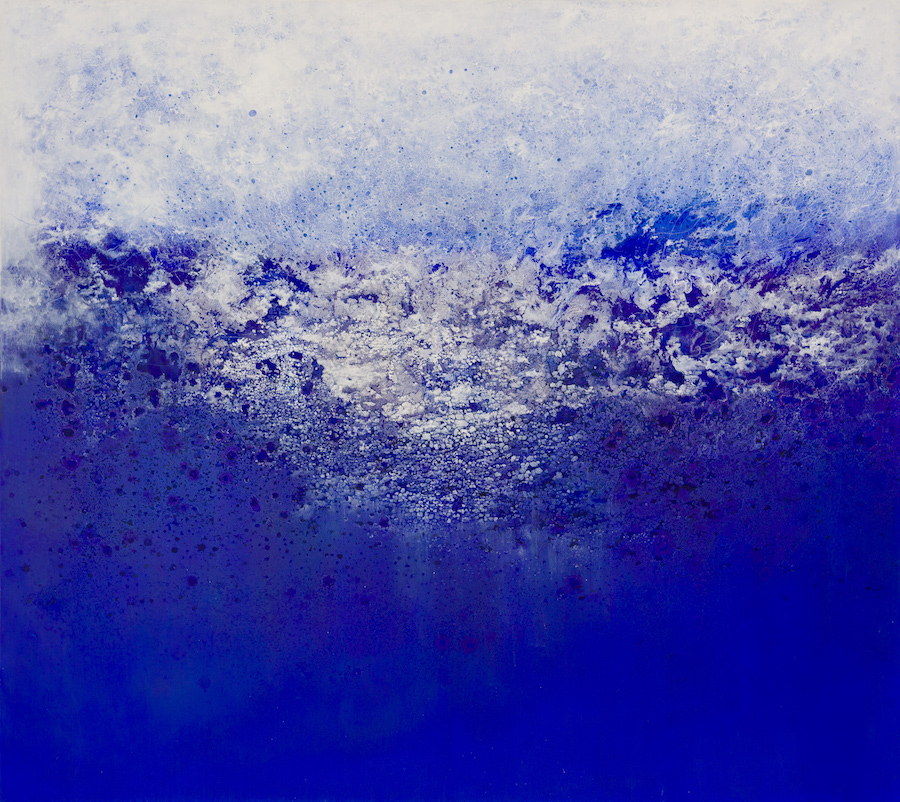
So when I saw Govinda Sah’s Images sent to me via an e-mail invite, I wasn’t too bothered, yeah, whatever. Still, the title – Journey to the heart of Light, catchy, I wanted to go back to the October Gallery that was part of my misspent youth, William Bouroughs, the Beat Poets, Fran Landesman, Michael Horovitz, etc. The doorway, I remembered that and the vast main room, but what I wasn’t prepared for was the paintings, massive, all-enveloping cosmos and molecules, simultaneous dreaming inside the swell of colour, an out-of-body experience that reduces you to an ant of an organism growing within amniotic fluid. Stay close to them and begin to scrutinise the details. You imagine you’re looking through a microscope, pulled and pushed out until floating in the universe, then like Captain Nemo at the bottom of the ocean, vast and tiny, minuscule and massive I don’t know a computer game that does this successfully but I’m sure they’re working on one. Yet this happens in some paintings through the use of colour, light, and the movement of paint; we are manipulated as viewers. Amazing grace, I could stare at these Nepalese wonders for hours, and they contradict their photos. Go see, and tell me what you find within them.
Jane England & co is showing From The Slade to Surrealism – a tale of two toffs, privileged enough not to really worry about earning a living, but to survive two world wars after meeting at The Slade in 1913. John and Ruth Selby-Bigge. The story is a Netflix costume drama waiting to happen: how they marry, get into Surrealism, and hang out with the art gang of Wadsworth, Nash, and Hillier, before John Bigge gets to be part of the incredible International Surrealist show in London in 1936. No matter that Ruth won all the prizes at the Slade, it is of course he who gets collected by the major institutions, oh you know the story,,, Ruth is busy with the kiddies, there is no time for painting, or is there, secretly. By the time the second war breaks out, they are living in Portugal, and he meets a pretty Czech girl and absconds, leaving Ruth with the kids and a grandchild. She manages to get them back to Blighty, but what of John? Well, he’s awarded a medal and then inherits a baronetcy, the way you do when Pa dies. I knew none of this before entering the gallery, other than husband and wife, and all I knew was that I was drawn to the paintings signed by Ruth, call me Psychic Sophie! The strangely surreal and sexual fruit and veg reminded me of Ithell Colquhoun, not quite as oblique, but something stirs amongst the vegetation within the landscapes.
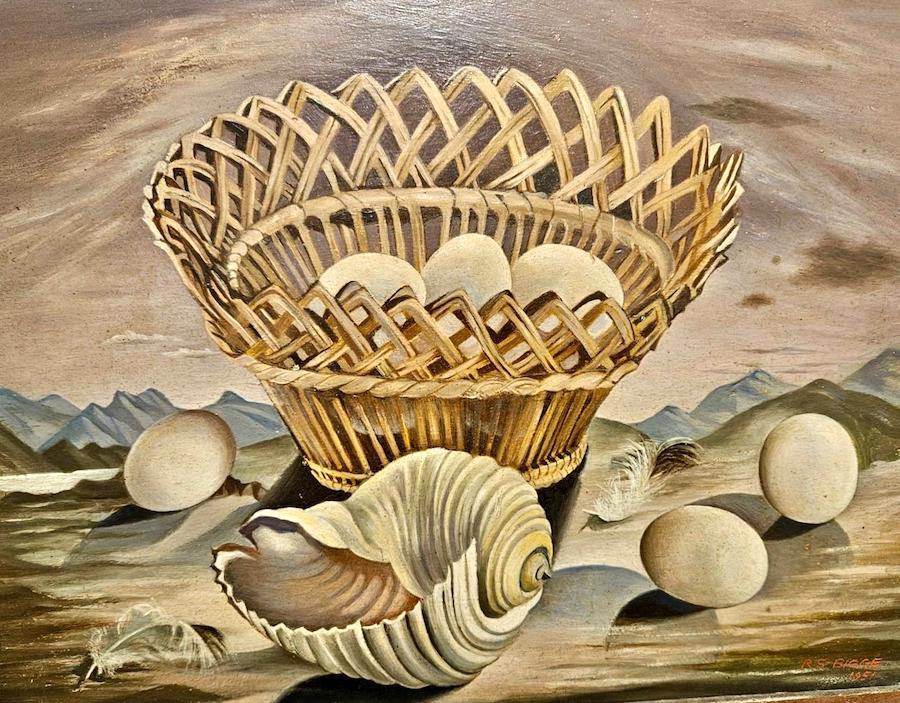
Considered vivid small paintings, yet apparently no one in her family knew she painted. She died in the early 60s; her husband went on for another 10 years, not bad, analytically balanced work, but Ruth clearly is the natural colourist, a painter of sensitivity and balance.
Painting is such a mysterious art; how one person can convey all this on a 5 8 canvas and another misses. Also mysterious is the art of hanging, Jane England’s is consummately hung, not so The Boundary Gallery show which is a shame because I was drawn there by the title of the show At Vivienne Roberts Project – La Madeleine de Proust, which is such a good idea for a show, the transformative effect of the sensory memory, And yet I keep thinking of a few pieces Fiona G Roberts, stands out amongst the confusion, for me it’s like going into a bookstore and seeing nothing is in the correct alphabetical placing. I want to rehang the show and bring clarity to the conversation that naturally exists among the paintings. Yeah, some stick out, yelling, “Put me in a corner, “I Vant to be Alone!” Remembrance of things past, indeed!
Apparently, no one in my family knew she painted. She died in the early 60s. My husband went on for another 10 years, not bad, analytically balanced work, but it is clear who the natural colourist painter of sensitivity and balance is.
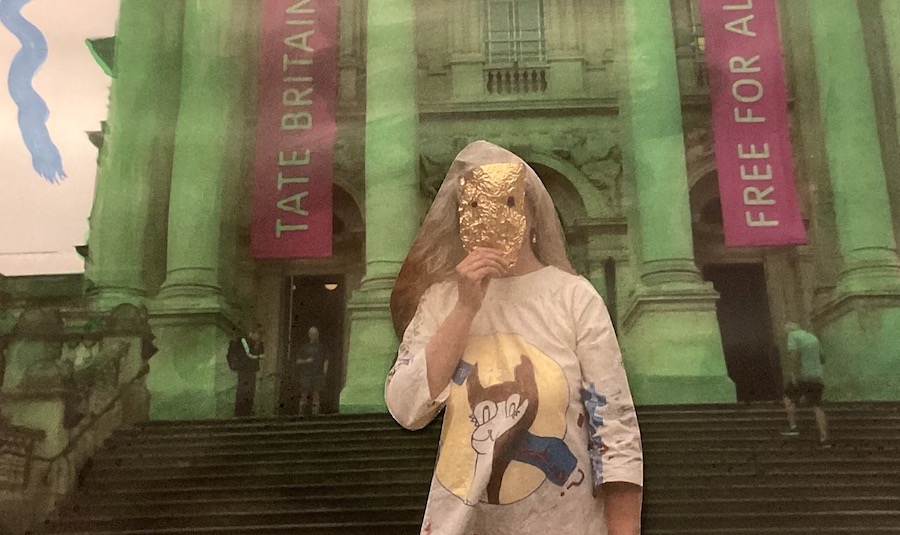
I was brought up speaking art; I feel most comfortable outside the home, near books and art, where others can feel just awkward. I take this second language for granted, like a bilingual person, for art is a language, just like any foreign language you have to listen to, look at, and get used to the sound of it daily so that it has a chance to worm its way into you, seep through your skin like music. I wonder if the visual language is transmitted into our DNA, but just as some kids have a natural propensity to speak other languages, is the visual one passed down, too? Nature or nurture, you tell me?
Meanwhile at… By Appointment Only at The London Museum, curated by the Romany artist Corrina Eastwood, is both history, art and memory. All that we store as artists in our bodies seeps through to our art eventually in a process that is both conscious and unconscious. Corrina’s piece of the tyres of her father’s business, whilst two trophies of his hands hold the Royal Doulton sugar bowls, both tender and brutal, the smell of the rubber as the sugar’s sweetness stays with you, Dan Turner’s piece of all the things made by Romani’s are put together as one, an impossible ladder of brushes and pegs. And then the magnificent red dress made from all her trophies, and the Dorothy shoes by Delaine LeBas, who was up for last year’s Turner Prize, proving you can dream yourself into another way of being. On the back wall is a timeline of dates from 500AD to the present by John-Henry Phillips of government laws against Romanis, proving we treated them like illegal slaves & immigrants, well after slaves were freed. The more one learns about this country we live in, the more shame one feels for what we thought and did to others, seeing them as less than human, whilst our government behaved like monsters. Apparently, the government represents us. Christmas Time by the Pogues seems appropriate, along with the Repentance pudding.
Humans are as mysterious as the art they produce; perhaps the answer is to spend more time creating art and less time making politics? Or go and breathe in some art, bathe in it, as @Winston-Branch says in a film that @Goodman_Gallery have put out on their Instagram, to celebrate his new show Out of The Calabash – Colour is light, and light is feeling. Now that seems like a sensible holiday thought to soak yourself in with a glass or two of what you fancy doing, you’ll do some good. Cheers! Here is to a spanking new, beautiful year, and may all your Yoko Ono’s wishes come true,
Do check Christmas opening times.
Govinda Sah @OctoberGallery, Old Gloucester st until 24 Jan 2026
John and Ruth Selby-Bigge @Englandcogallery 36 Great Poultney St W1 until 20th Dec 2025.
Madeleines de Proust mxd show @Vivienne.roberts.projects The Bindery 53 Hatton Garden. Until 16th Jan
By Appointment Only @weareLondonMuseum The Museum of London, Docklands. West India Quay E14 dock. Until Jan 2027.
Winston Branch @ The Goodman Gallery, Cork St. WC1 until 7th Jan 2026