After nearly three decades of shaping the way Britain looks at art, Adrian Searle will step down from his full-time role as chief art critic at The Guardian. The end of March will mark the close of a tenure that was marked by originality and a new way of seeing.
Since joining the paper in 1996, his criticism has cut cleanly through art-world inflation and institutional trends. The writing could be brisk, sometimes barbed, often wryly funny. He had an unshowy gift for translating the most knotty conceptual work into something tangible without flattening its complexity. And when confronted with what he once called “tortured nonsense”, he rarely hesitated.
His final full-time column, published on 1 April, will reflect on three decades of looking, thinking and writing. After that, he will continue to contribute on an occasional basis, freed from the weekly churn of deadlines that has defined much of his professional life.
Searle’s route into criticism was not through academia but the studio. A former painter, he arrived at journalism with the sensibility of a maker — attentive to process, materials, and the practical realities of how art gets made. That background lent his criticism a particular authority. It also placed him at the centre of a transformative period in British art. He witnessed the emergence of the YBAs (Young British Artists) first-hand, offering early encouragement to figures including Steve McQueen, Gillian Wearing and Chris Ofili, while maintaining a wary distance from the surrounding hype.
Over the years, certain reviews have entered art-world folklore. His verdict on the 1999 Turner Prize, when McQueen triumphed over Tracey Emin. His shuddering account of Doris Salcedo’s Shibboleth at Tate Modern — “You could stick your arm in, but you might not get it back.” And his unabashed admiration for Ragnar Kjartansson’s The Visitors, which he once described as the finest artwork of the 21st century to date. These were not just responses; they helped fix the terms of discussion.
His influence extended well beyond the page. Searle served on major juries, including the Turner Prize in 2004, and curated exhibitions for institutions such as the Hayward Gallery, the Serpentine and the Museo Reina Sofía in Madrid. The reach of his work as a critic, selector, and organiser has helped shape the UK cultural landscape.
Reflecting on his decision to step back, Searle described his years at the paper as “an exhilarating ride”. After three decades, he suggested, the moment had come to work differently — to write with fewer pressures, more time, and greater mental space, and to discover where that freedom might lead.
Tributes from colleagues have been swift. Guardian arts editor Alex Needham praised Searle’s rare ability to speak to seasoned insiders and casual gallery visitors with equal ease. At the same time, editor-in-chief Katharine Viner pointed to criticism that was consistently perceptive, sharply intelligent and, often, very funny — writing that set a formidable standard.
The paper’s coverage will continue with Jonathan Jones reporting on major exhibitions, including the Venice Biennale, alongside regular critics Charlotte Jansen, Eddy Frankel and Chloë Ashby, with Ben Eastham soon joining the team. The machinery of art criticism rolls on.
Searle’s departure closes a chapter. For years, he demonstrated that serious criticism need not retreat into obscurity or jargon, that rigour and wit can coexist, that clarity can be a form of precision rather than simplification. Above all, he insisted on the value of looking closely and really looking.
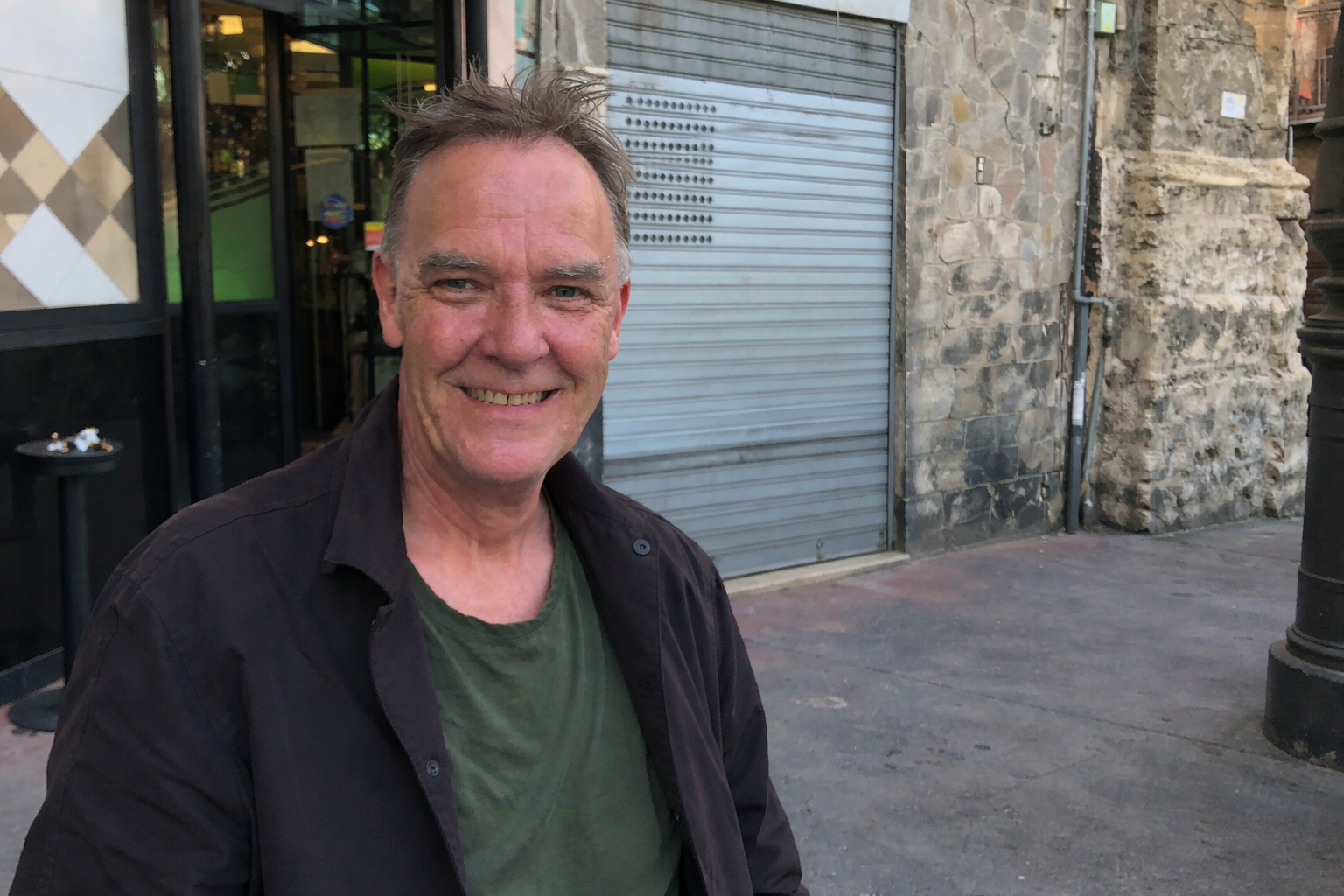
Adrian Searle Photo P C Robinson © Artlyst 2026