

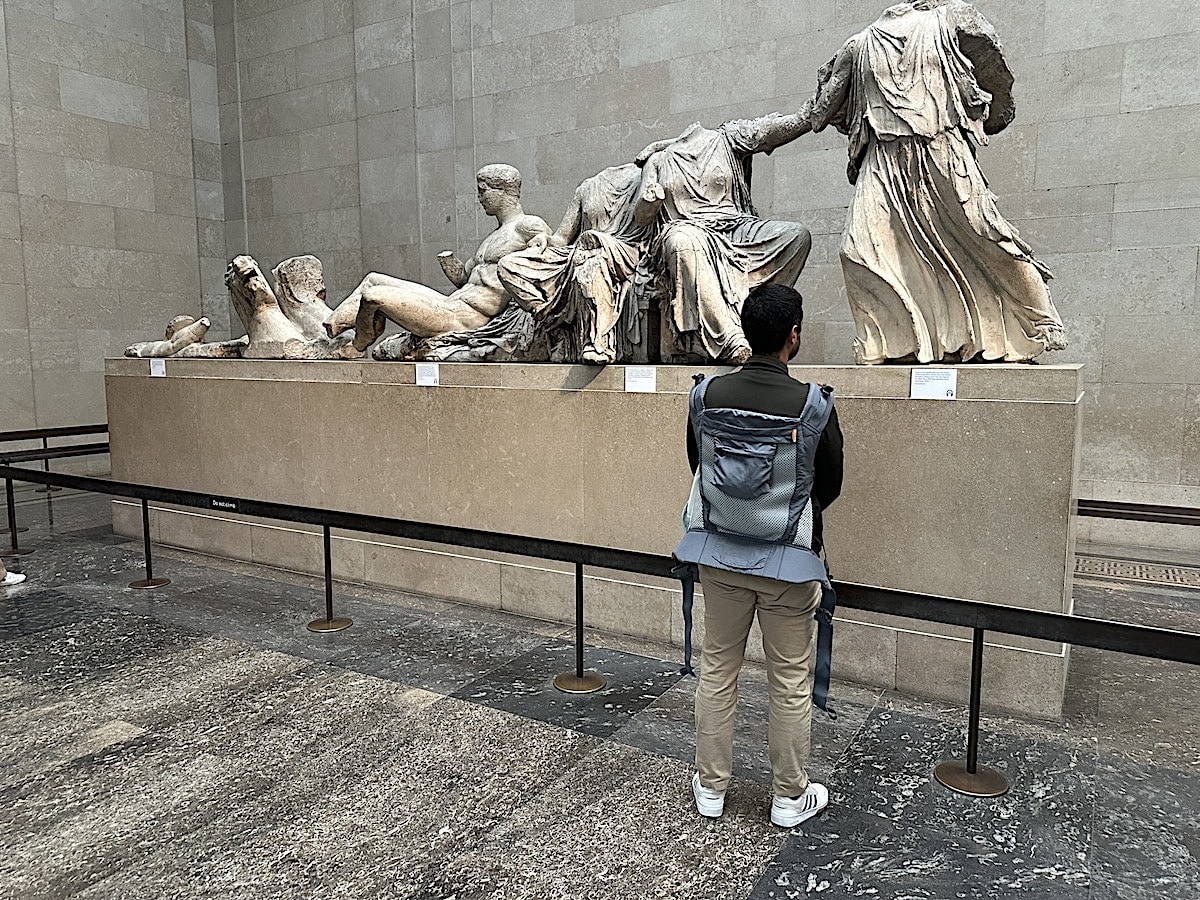
The British Museum has confirmed it is recruiting a dedicated specialist to track down hundreds of missing antiquities, including gold jewellery, engraved gems, and semi-precious stones, believed to have been stolen over several years by its former head curator of Greek and Roman art, Peter Higgs. The post, currently unnamed, will be offered to a methodical academic with a due diligence skill set: part investigator, part administrator.
The scale of the loss, first made public in 2023, is still an open wound. Around 1,500 objects disappeared from the collection, many small enough to slip through limited security checks. Since then, 654 items have been recovered, many from eBay sales records, leaving hundreds still unaccounted for. The items were dispersed across continents, with many potentially gone forever.
“We want to make progress, fast, in terms of getting things back,” said Tom Harrison, the Museum’s new keeper of Greek and Roman art, speaking to The Times at the weekend. “We want to get as much staffing as we can to try and push ahead.”
The new staff member’s brief is straightforward and realistic. The first step is to build stronger relationships with the international web of antiquities dealers, auction houses, and private collectors. Image cross-referencing will then be applied. The British Museum declined to comment further, but the message is clear: this is no longer something that existing staff can handle.
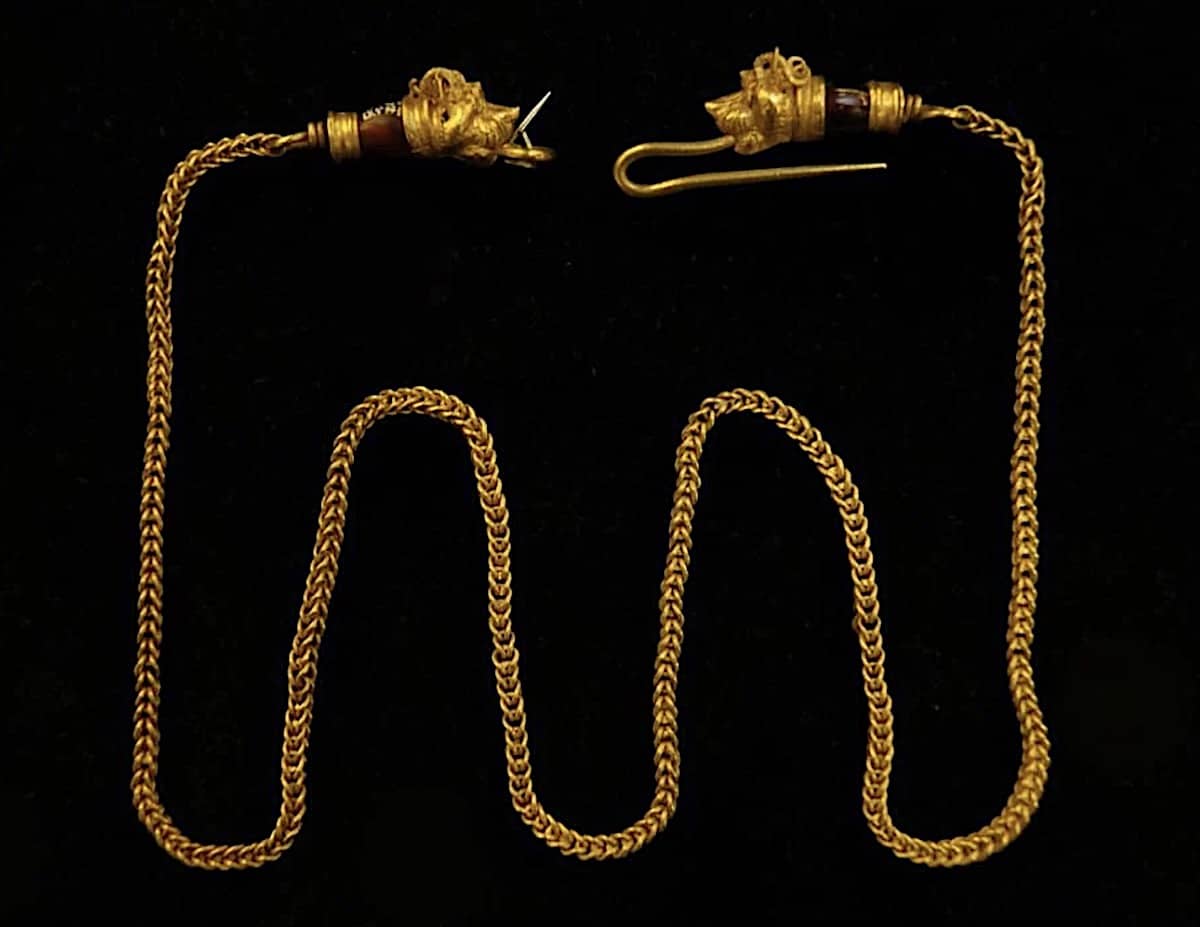
Greek gold chain necklace with clasps in the shape of horned lion’s heads, Cyprus, 3rd century BC. Photo Courtesy British Museum
Many of the stolen objects may not have been catalogued on the BM’s vast computer system. It is presumed that they have travelled out of the country in plain sight.
According to reports, the alleged perpetrator, Peter Higgs, sold items online, occasionally at prices so low they bordered on the absurd. One Roman gold ornament, later valued at around $60,000, surfaced on eBay for just $48. Not a typo. The internet has been both a crime scene and an evidence locker.
Others may never resurface. The Museum has openly acknowledged the possibility of objects, particularly gold, being melted down for scrap as ‘depressing’. Once that happens, history doesn’t just disappear; it’s erased.
So far, recovery efforts have been carried out by a small internal team already stretched thinly and overworked. They have trawled archives, compared catalogues, contacted specialists and followed up tips from across the trade. Dealers have been cooperative. In the early stages, the work paid off in bursts.
“There have been times when we got large numbers of gems” in one go, he said, pointing to a cache of 268 pieces recovered from the United States. Moments like that are increasingly rare. Now, progress often arrives one object at a time.
“It’s kind of exhilarating when you make a match,” Harrison admitted, before adding a note of realism: “More and more, it’s one object, two objects.”
The daunting task of staff-hours is precisely what the new role is designed to absorb. Missing paperwork, patchy records, and the timescales of some thefts dating back more than a decade can slow even successful recoveries. Export licences alone can take months; persistence matters.
Technology is starting to lend a helpful hand. The Museum has significantly improved its open-source investigation techniques. The British Museum suggests recognition tools may soon assist with matching catalogue photographs to images circulating on the web. It’s an odd convergence: ancient gems, modern algorithms, a bit like reopening the barn doors after the horses have bolted.
The scandal has also forced a more profound reckoning. Alongside the recovery effort, the British Museum is continuing a full audit of its Greek and Roman collections. The task is painstaking and cubersome. If three glass tubes were recorded in 1860, there should still be three glass tubes now. If not, a question follows.
Most of the missing objects date from the Hellenistic and Roman periods, though some jewellery stretches back to the Late Bronze Age, around 1500–1100 BCE. The Museum is pursuing legal action against Higgs, who denies all allegations.
Top Photo: P C Robinson © Artlyst 2026