

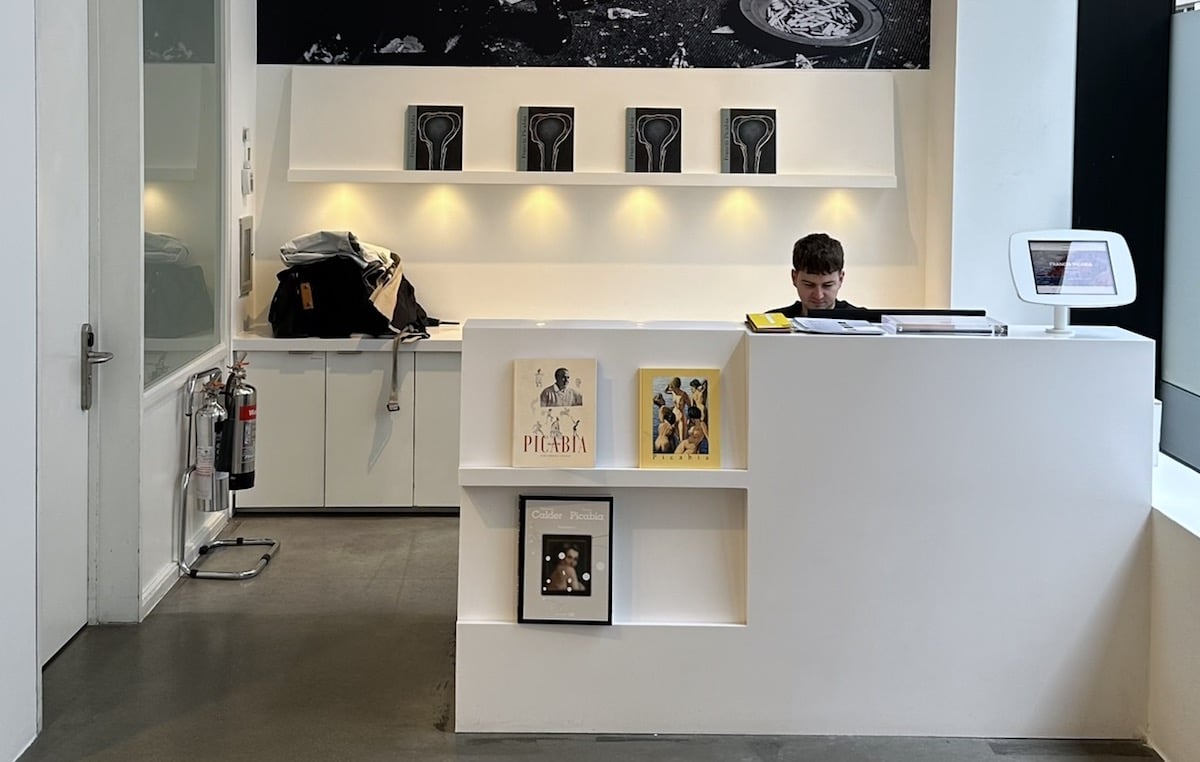
Hauser & Wirth has been cleared of criminal charges relating to the alleged sale of a work by George Condo to a collector connected to Russia. At Southwark Crown Court on Thursday, Judge Tony Baumgardner dismissed the case in its entirety, ruling that prosecutors had failed to produce sufficient evidence that the recipient of the work was a Russian resident at the time of the transaction.
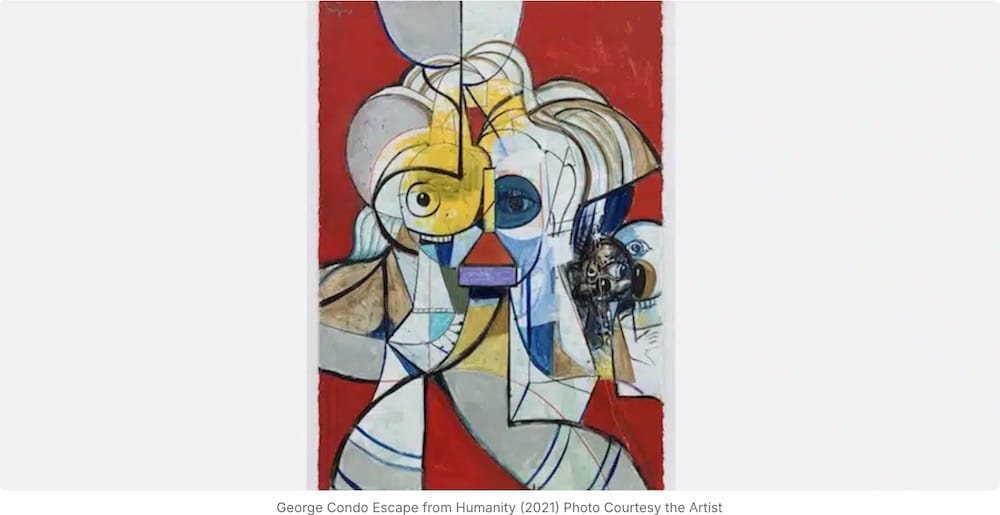
The case centred on Condo’s Escape from Humanity, a 2021 pastel on paper. Prosecutors alleged the work had been made available to Alexander Popov, a collector with a well-known family foundation, sometime between April and December 2022. That period matters because by April of that year the Department for International Trade had already imposed a sweeping ban on the export of luxury goods valued at £250 or more to Russia, following the invasion of Ukraine. The ban was broad by design, covering paintings, sculpture, jewellery and design objects. Breaching it constitutes a criminal offence carrying an unlimited fine for companies and up to six months’ imprisonment for individuals.
The Crown Prosecution Service charged Hauser & Wirth last November, alongside the shipping company Artay Rauchwerger Solomons, which was alleged to have supplied the artwork between August and December 2022. Both firms applied for the charges to be dismissed at a hearing on 5 May. The dismissal, when it came, was on evidentiary grounds. The court found that the prosecution had not established the alleged recipient’s residency at the relevant time.
A spokesperson for the gallery said it was delighted that the charges had been dismissed in their entirety. “From the outset, we strongly contested these proceedings and denied any wrongdoing. We remain fully committed to complying with all our legal obligations, including those related to sanctions. We are pleased that this matter is now closed.”
The case was the first known criminal prosecution brought under the UK’s ban on supplying luxury goods to persons connected with Russia, and the first corporate prosecution under the UK Russia Sanctions Regulations. HM Revenue and Customs pursued it following an investigation into the sale. The fact that it did not result in a conviction does not diminish the significance of the prosecution being brought at all, and the art market will have been watching the outcome with considerable attention.
The timing of the dismissal coincided, apparently by accident, with a separate development. On Wednesday, Hauser & Wirth announced that George Condo had returned to the gallery’s roster. Condo had departed Hauser & Wirth, which had represented him since 2019, around the time the charges became public last November. However, the gallery did not suggest that the two events were connected. A spokesperson described the timing of the court’s decision and Condo’s return as coincidental. The gallery will mount two exhibitions of his work in 2027, in Paris and Palo Alto.
The wider legal picture around Russia sanctions and the art market is still forming. On 1 July, a British businessman was fined £28,000 after pleading guilty to breaching UK sanctions by attempting to ship four artworks, including a Russian icon, to Russia. That is the first reported conviction under the luxury export ban. The Hauser & Wirth case, though it ended in dismissal, established that prosecutors are prepared to pursue criminal charges in this area and that the evidentiary threshold for doing so successfully is not straightforward to meet.