
The District Court of The Hague ruled on Wednesday that the Mauritshuis does not have to return 25 artworks, including five by Rembrandt, to the descendants of Abraham Bredius, the art historian and former museum director who led the institution between 1889 and 1909. The heirs had argued that Bredius donated the works on the condition that they remain permanently on public display. The court disagreed, or more precisely, found that the will did not go that far.
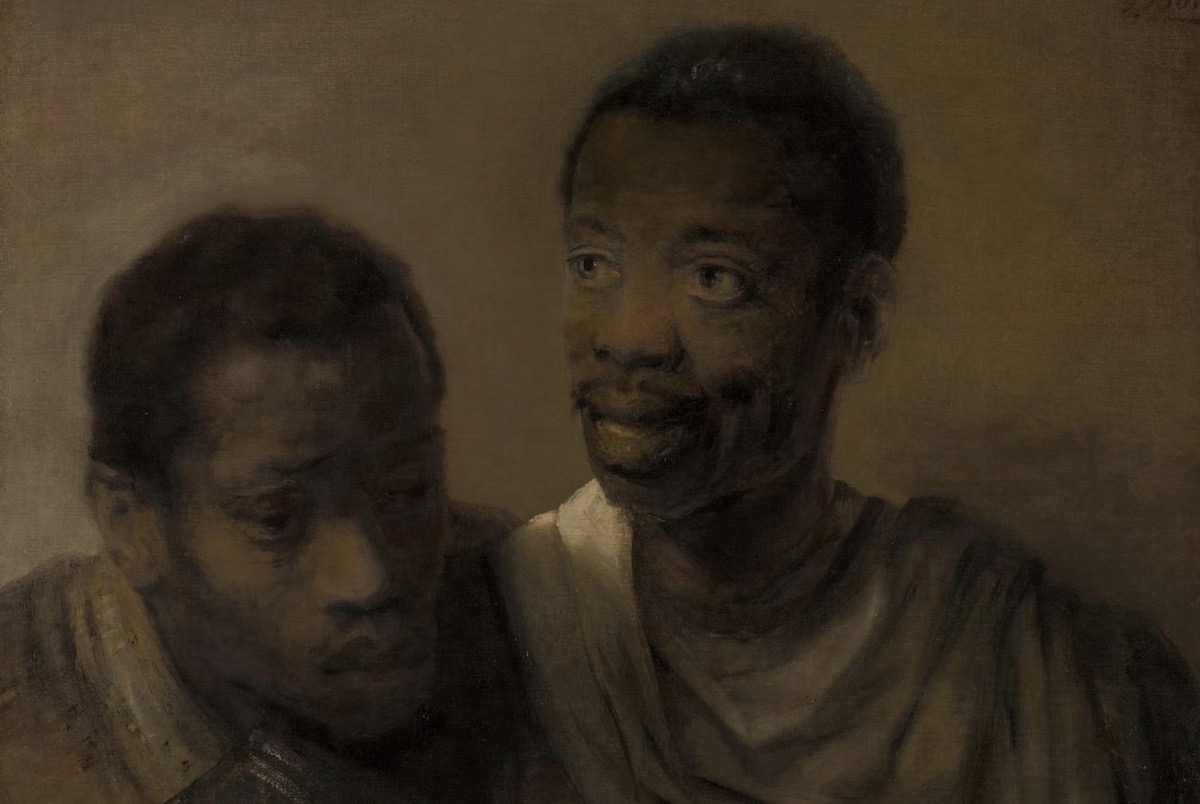
Bredius left a significant collection to the museum, including Rembrandt paintings, among them Saul and David and Two African Men. Of the 25 works in question, only 10 are currently on permanent display in the galleries. The remaining 15 are in storage. The museum’s position is straightforward: the building does not have enough space to display everything, and not all works are considered suitable for the permanent collection. The court accepted that argument, concluding that the bequest imposed no absolute duty of display.
The wording of the will apparently left room for interpretation, which the court acknowledged. What it settled on was a narrower reading: that when the Bredius works are shown, they must be shown at the Mauritshuis exclusively and cannot travel to other institutions on loan. That is a meaningful restriction, but considerably less than what the plaintiffs were seeking.
The claim was brought by descendants of Joseph Kronig, who was Bredius’s protégé and sole heir, Bredius having died unmarried and without children of his own. The family’s lawyer has confirmed they intend to appeal.
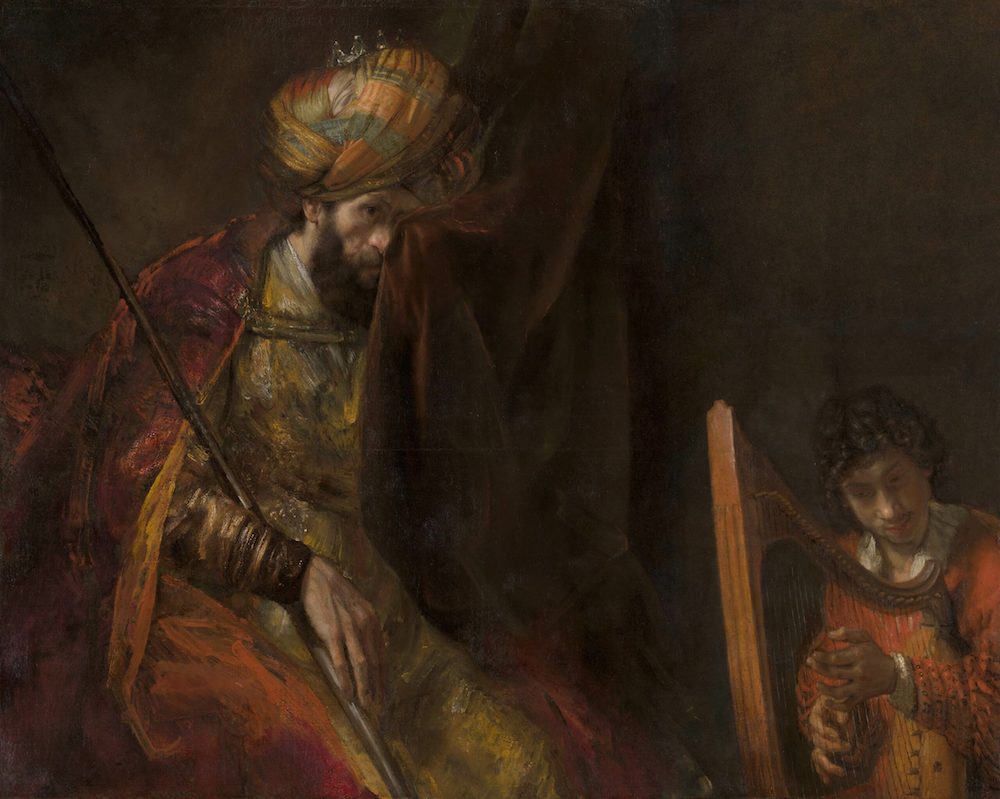
Rembrandt’s painting Saul and David
The case raises questions between institutions and donor families: what exactly a gift means, what obligations it creates, and whether the passage of time changes either. Bredius made his bequest in a different era of museum practice, when the relationship between a collection and its public display was understood differently. The court has now set a boundary around what that historical understanding can be made to mean in a contemporary legal context.
The Mauritshuis itself is one of the more remarkable small museums in Europe. It occupies a seventeenth-century palace in The Hague, built between 1633 and 1644 for Count Johan Maurits of Nassau and designed by Jacob van Campen. A fire damaged the building in the eighteenth century; it reopened as the Royal Picture Gallery in 1822 and has remained in continuous use since. The collection comprises around 200 works and is almost entirely devoted to Dutch and Flemish painting from the Golden Age. Girl with a Pearl Earring by Vermeer is the painting most visitors come to see.
The Anatomy Lesson of Dr Nicolaes Tulp, Rembrandt’s early group portrait from 1632, is another. Vermeer’s View of Delft, Carel Fabritius’s small and extraordinary Goldfinch from 1654, and Paulus Potter’s large and much-debated Bull of 1647 complete the most recognisable works in a collection that rewards considerably more time than most visitors give it.