Marc Glimcher, CEO and son of the founder of Pace, said, “The gallery model is broken; the current commercial art world has become too big, too corporate, too impersonal, and Pace is doing something about it. On Thursday, the gallery announced that it was cutting 50 artists from its roster and 50 members of staff, reducing its represented artists from around 135 to 85 and its workforce from roughly 250 to 200. For Pace, it is a significant moment. Not a collapse, but a reckoning.
Glimcher is not wrong about the diagnosis. Small and midsize galleries have been contracting or closing since the pandemic, squeezed between declining foot traffic and operating costs that never came down. What is more surprising is hearing it from the chief executive of one of the four or five most powerful galleries on earth. Pace sits alongside Gagosian, Zwirner, Hauser & Wirth, and other top galleries at the top of the food chain, representing estates including Calder, Rothko, and Agnes Martin, as well as current names like David Hockney and Julian Schnabel. These galleries were supposed to be insulated from the market’s volatility: seven locations worldwide, prominent artists, and high prices. And yet.
The cuts are mostly not the big names
Artists who survived the cuts were measured in their responses. Kiki Smith, with Pace for more than thirty years, said she was neutral and that everyone has to make their own decisions. Adam Pendleton, who joined in 2012, said it didn’t surprise or worry him. Alexander Rower of the Calder Foundation put it more bluntly: “All of the mega galleries have lost their way. I appreciate that Marc is backing down from the arms race.”
The restructure does not mean Pace abandons ambition entirely. Last month, the gallery announced it had taken on the estate of Constantin Brancusi, a move not that of a gallery in retreat. Nor will it vacate its eight-storey Chelsea flagship, renovated in 2019 for over a hundred million dollars and carrying a monthly rent of around nine million dollars on a twenty-year lease. That building is not going anywhere, partly because it cannot.
Glimcher is not pretending otherwise, he told the NY Times. “If I were making that decision today, by no means would this be my decision,” he said of the Chelsea building. “But that is not how business works. You don’t get to go back and restart. You have to adapt continuously.”
What he wants now, he says, is to find the gallery’s soul again. Fewer artists, deeper relationships, less corporate noise. Whether that is a genuine philosophical reset or an elegant reframe of financial necessity is a question the art world will be debating for a while. Probably both are true simultaneously.
“All this is is magic,” Glimcher said. “There is nothing else there.”
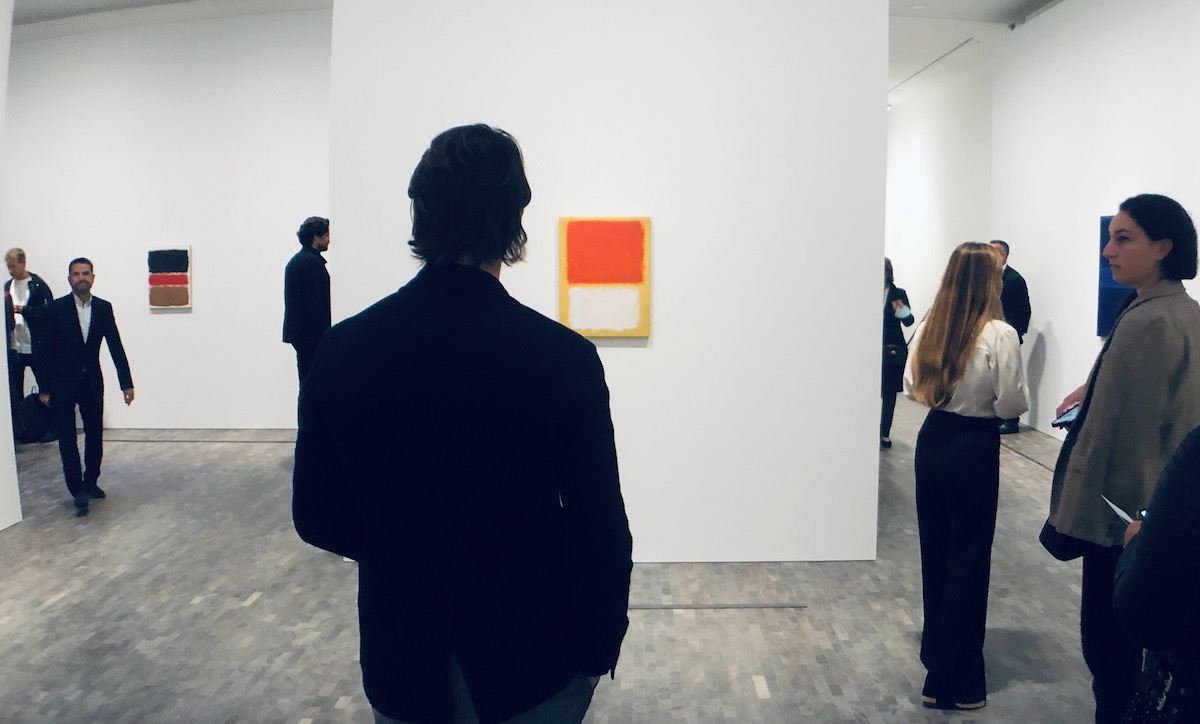
Top Photo: P C Robinson © Artlyst 2026