The Photographer Annie Leibovitz has filed a copyright infringement lawsuit in Manhattan federal court against Observer Media, owner of the Observer Newspaper, over the alleged unauthorised publication of her photograph of Justin and Hailey Bieber. The lawsuit seeks damages of up to $150,000 for each instance of what the filing describes as unauthorised exploitation of the image.
The photograph at the centre of the dispute was taken by Leibovitz for Vogue in 2019, shortly after the Biebers married. It shows the couple reclining on sun loungers in matching polka-dot Dolce and Gabbana pyjamas, and became one of the more widely circulated celebrity portraits of that year. According to the lawsuit, Observer.com published the image without consent in May 2020 as part of an article about the couple’s relationship.
Leibovitz’s became aware of the alleged infringement four years after it occurred. In May 2024, they sent Observer.com a letter demanding the image be removed from the site. The outlet did not respond. Further attempts to make contact with the publication also went unanswered, leaving legal action as the remaining option.
The court filing describes the infringement as “willful, intentional and malicious,” and Leibovitz is seeking both disgorgement of profits attributable to the misuse and the maximum statutory damages available. The nine-page document sets out her standing in the field, citing her portraits of John Lennon, Bill Clinton, Clint Eastwood and Queen Elizabeth among the body of work that establishes her reputation, and states that the plaintiffs “have suffered and will continue to suffer substantial damages to their business.”
The lawsuit arrives in the middle of a period of considerable legal activity around Leibovitz’s image rights. In May, the 11th US Circuit Court of Appeals revived a separate copyright lawsuit brought by her licensing agency, Great Bowery Inc., against online music publication Consequence Sound over the unauthorised use of photographs she took on the set of a Star Wars production. That case had been dismissed by a lower court, which ruled that Great Bowery lacked standing to sue because Leibovitz herself had retained certain rights to the images, and because Condé Nast’s publisher, Vanity Fair, held its own publication rights.
The appeals court disagreed, finding that the lower court had misread copyright law. Its ruling clarified that copyright ownership can be divided among multiple parties simultaneously, and that Leibovitz retaining some rights to an image does not prevent Great Bowery from holding an exclusive licence that confers the right to pursue infringement claims independently. The decision has broader implications for how licensing arrangements in photography and other creative fields are understood by the courts, particularly in cases where rights have been parcelled out across several entities.
Taken together, the two cases reflect an issue that has become increasingly pressing as online publications continue to reproduce photographic work without seeking permission or offering payment. For photographers at every level of the profession, the ease with which images can be lifted from one context and published in another has created an enforcement problem that individual legal actions can address only one case at a time.
Leibovitz is among the most commercially important photographers working today, and her willingness to pursue these cases through the courts sends a signal to publishers who might otherwise calculate that the risk of being challenged is low. Whether Observer Media will now respond, settle or contest the claim remains to be seen. The publication did not respond to requests for comment at the time of reporting.
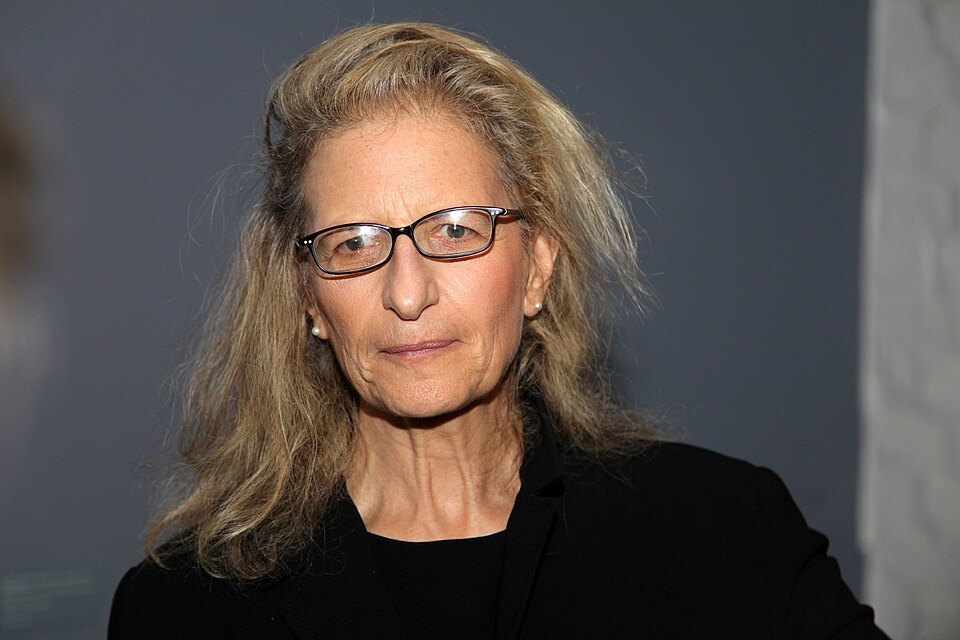
Photo: Wikimedia Commons, Franz Johann Morgenbesser Vienna, Austria