
Four artists are in the running for the 2027 Deutsche Börse Photography Foundation Prize. They are Hoda Afshar, Lotus L. Kang, Sasha Kurmaz and Salvatore Vitale. The Photographers’ Gallery in London announced the list today.
The prize rewards an exhibition or book shown in Europe that has moved photography forward over the past year. It has long been known for backing bold, original work. Next year marks thirty years since the first prize was given.
The shortlisted projects range widely. They take in photography, film, sound, sculpture, archival material and handmade collage. Common ground appears in the questions they ask. How do images shape our understanding of bodies, war, labour and power? The artists look at desire and memory, at the human cost of the digital economy, at survival during conflict and at the politics of looking.
An exhibition of work from all four projects opens at The Photographers’ Gallery on 10 March 2027 and runs to 6 June. It then travels to the Deutsche Börse Photography Foundation in Eschborn, Frankfurt, from 19 June to 26 September. The winner will be named in April and receives £30,000. The other three artists each take home £5,000. Details of the show and the award ceremony will follow in early 2027.
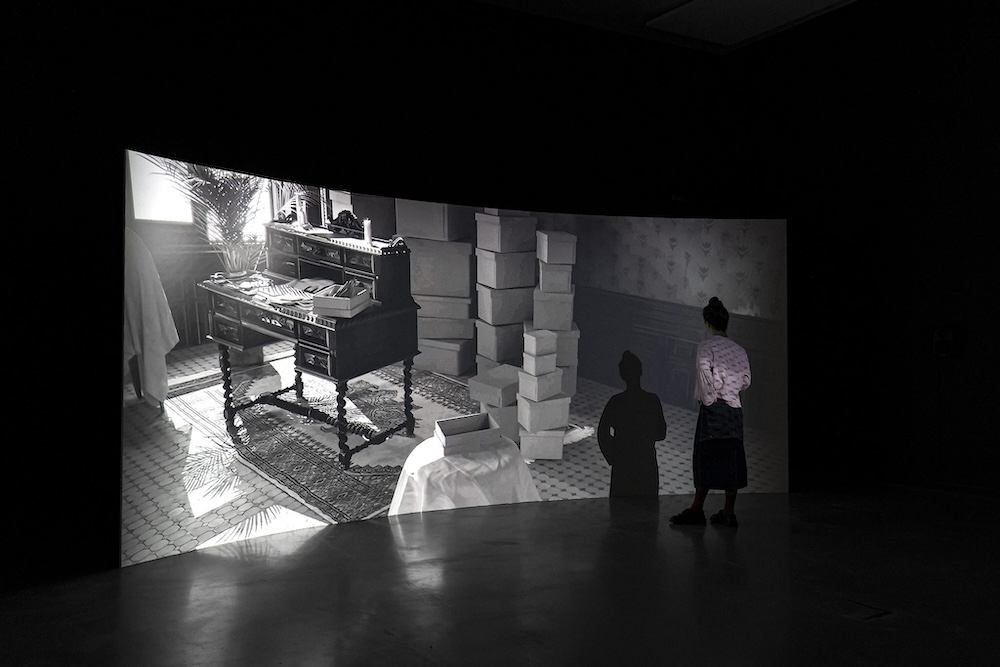
Hoda Afshar, born in Tehran in 1983, is shortlisted for Performing the Invisible at the Musée du Quai Branly, Paris. It ran from 30 September 2025 to 25 January 2026. She combines photographs, drawings, mirrors, video and sound to trace how perspectives become fixed, and to treat photography as both revelation and resistance. At the centre sits The Fold, a long inquiry into the colonial legacy of photographic practice. It asks how bodies, especially veiled Islamic bodies, are looked at and consumed.
Her source is the archive of Gaëtan Gatian de Clérambault, a French psychiatrist and photographer who died in 1934. In Morocco, he made thousands of pictures of veiled women, and sometimes men, to test his psychoanalytic theories about covering and fantasy. Afshar answers with mirrors. They turn the gaze back on the viewer, so that the act of looking becomes the thing under examination. She exposes the violence in that gaze and the questions of vision and control behind it.
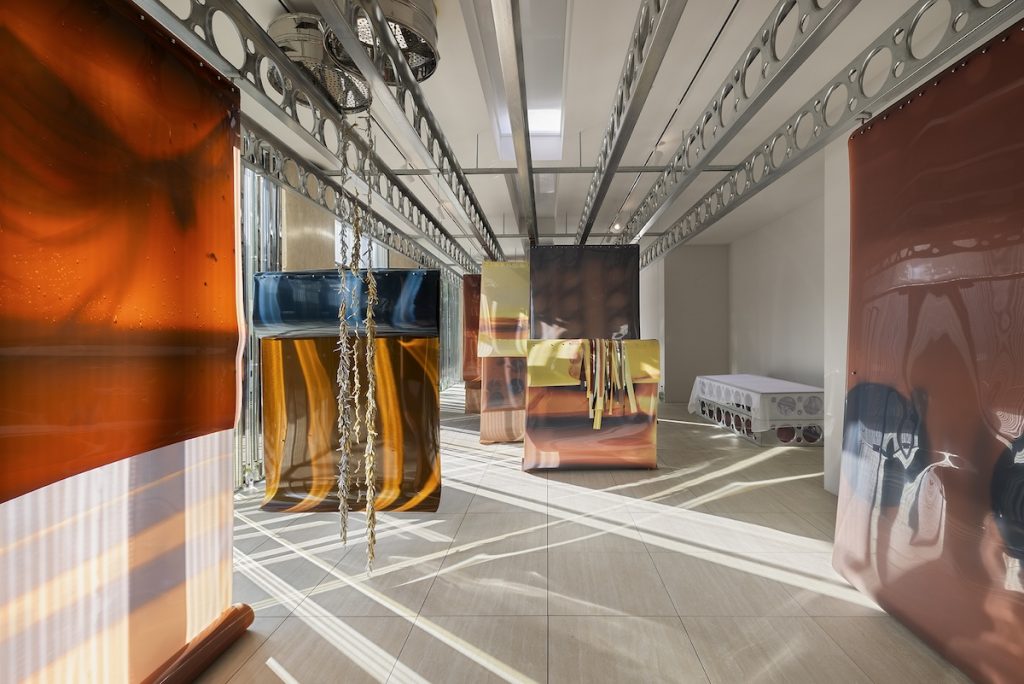
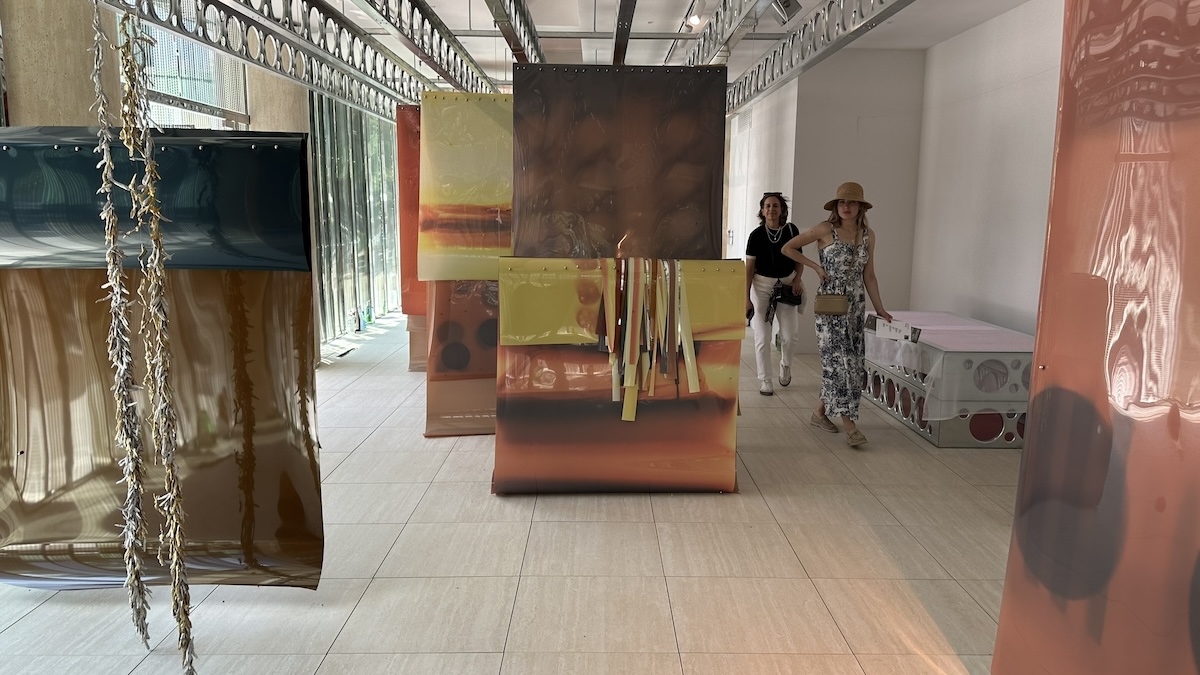
Lotus L. Kang, born in Toronto in 1985, is shortlisted for The Face of Desire Is Loss at the Bulgari Pavilion of the 61st Venice Biennale. It runs from 9 May to 22 November 2026. The immersive installation blends photography, film and sculpture to consider how bodies change, what we remember and what slips away. Its title comes from Thresholes, a 2020 poetry collection by the American writer Lara Mimosa Montes. Kang works in the same in-between space, where time and the body keep shifting.
Strips of unfixed photographic film, which she calls skins, hang from steel joists. Light and humidity act on them. Over time they develop bruised tones and hues like blood and bile. Tatami mat sculptures sit alongside cast-plaster, bronze, and fibreglass objects, among them crying birds and kelp knots. They suggest the body at rest, in dream, in recovery and in death. Forty-nine bottles of spirits mark the days a soul is said to wander between death and rebirth in Buddhist belief. A film of tidal mudflats and visualised birdsong completes the picture of life and death in constant motion.
Screenshot
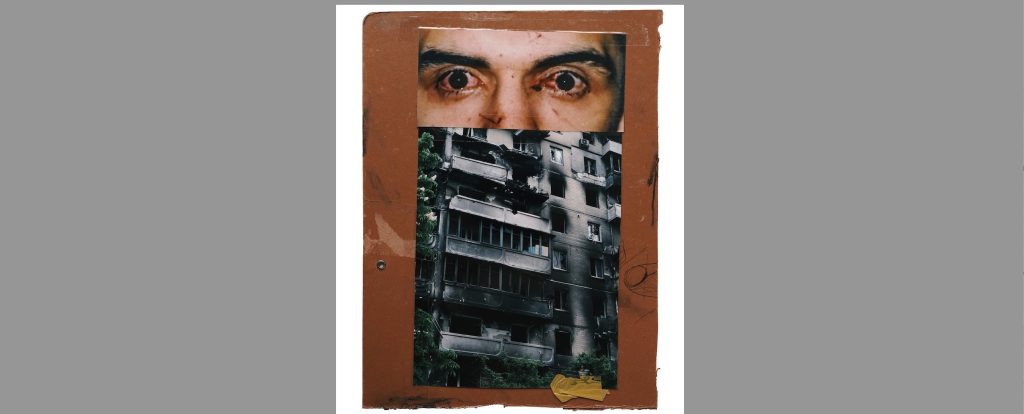
Sasha Kurmaz, born in Kyiv in 1986, is shortlisted for the book Red Horse, published by Éditions Images Vevey in November 2025. He began it after Russia’s full-scale invasion of Ukraine in February 2022. It is a diary of war, personal and unguarded. He tells his own story and those of the people around him as they try to stay alive amid danger that never lifts.
The book runs to 800 pages. Handmade collages bring together documentary photographs, notes, drawings, newspaper cuttings and found objects. Alongside his thoughts, fears and pain, the fragile layers ask what long emergencies do to individuals, society, democratic systems and public spaces. Red Horse is an urgent look at how war remakes lives and shared memory. It also asks what it means to make art in a time of conflict.

Salvatore Vitale, born in Palermo in 1986, is shortlisted for SABOTAGE at Photo Elysée in Lausanne, shown from 6 March to 31 May 2026. He studies the hidden human labour that keeps the digital economy running. Automation, surveillance and algorithmic control increasingly set the terms of work. Behind the promise of automation, he argues, stands a huge workforce that is largely unseen, insecure and constantly monitored.
He built the project with South African freelancers. It shows how digital infrastructure repeats old colonial patterns of extraction, exploitation and inequality. Through the idea of sabotage, he looks for room to refuse and resist inside systems designed to manage people. Film, photography and sculpture tie invisible digital work to its physical consequences. The result is a system fed by productivity, exhaustion and obsolescence.
The jury has five members. Laia Abril is a multidisciplinary artist. Damarice Amao is Associate Curator for Photography at the Musée National d’Art Moderne, Centre Pompidou. Verónica Fieiras is an artist, editor and publisher at CHACO. Anne-Marie Beckmann directs the Deutsche Börse Photography Foundation. Shoair Mavlian, Director of The Photographers’ Gallery, chairs the vote.
Top Photo: P C Robinson © Artlyst 2026
Read More
Visit