More than 100 artists, including JR, Futura 2000, Invader, Damien Hirst, KAWS, Goldie, Jenny Holzer, Shepard Fairey, and the Guerrilla Girls, are among the highlights of Beyond the Streets at the Saatchi Gallery.
Over ten rooms, the exhibition follows how artists and musicians have used walls, pavements and record sleeves to challenge power. Photographs of the British Black Panthers hang near rare hip-hop Polaroids. New commissions, paintings, sculpture and film fill the spaces between.
The exhibition presents examples from New York subway graffiti to British sound systems, then on to hip-hop and 2 Tone. Along the way it shows how street culture shaped art, music, fashion and protest. Some rooms look more like sets than galleries. Expect a recreated New York subway carriage, Paul Insect’s Rubbish Stuff Puppet Shop, and a spray-paint Infinity Room.
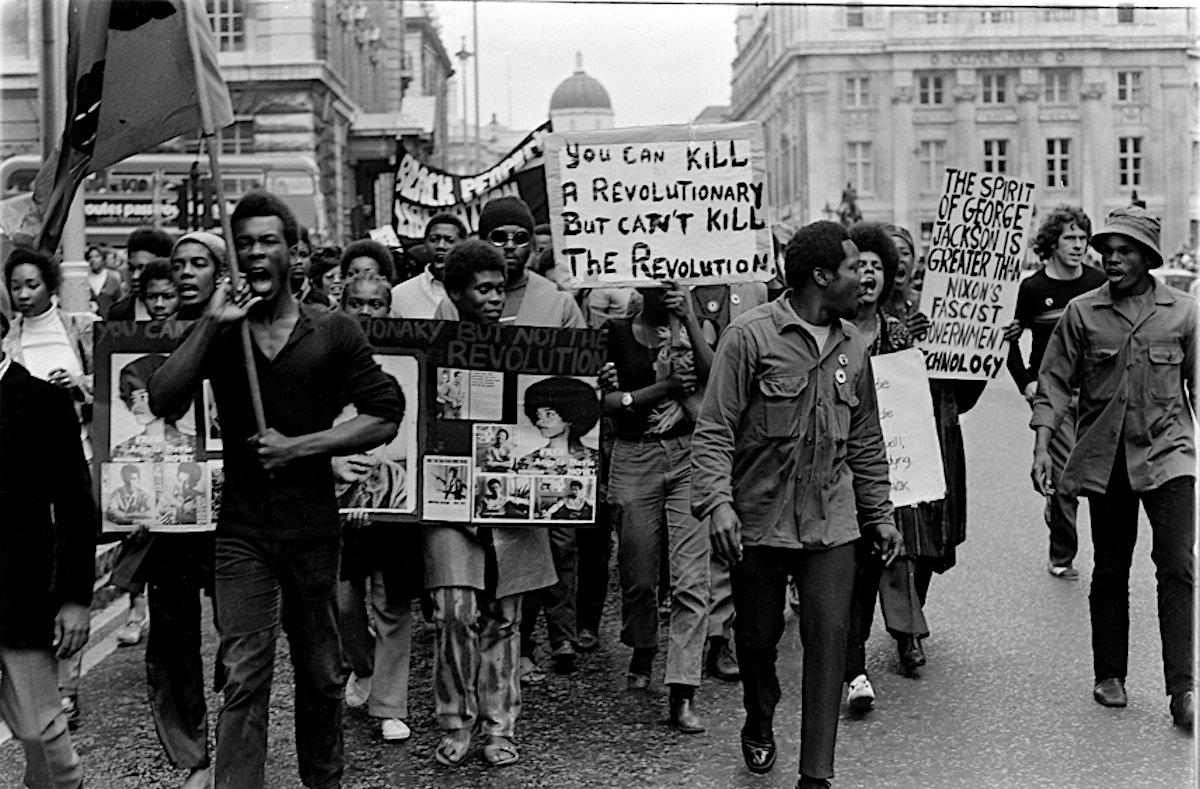
The activism room is where the politics sit. Neil Kenlock’s photographs record a key chapter in Black British history. They show the people, protests and community work behind the British Black Panthers. They are seen from inside the community, which gives them their weight.
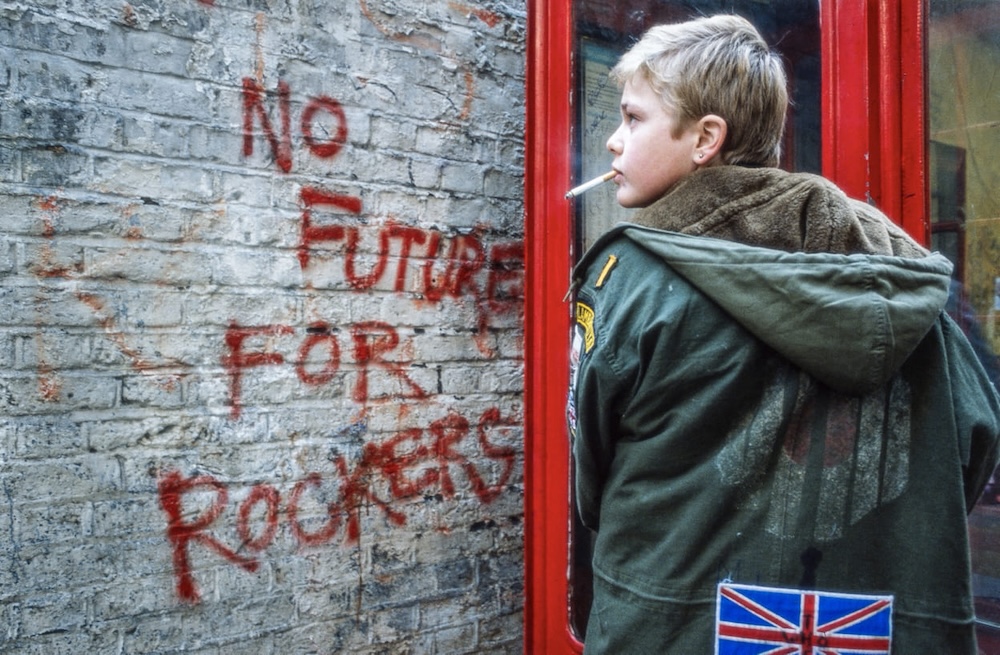
Nearby hang the posters of See Red Women’s Workshop. The screen printing collective formed in London in 1974. It aimed at sexist advertising, unequal pay and the roles expected of women at home and at work. The posters are blunt, funny and angry. They were made to be pasted up outdoors, and they turned daily slights into calls to act.
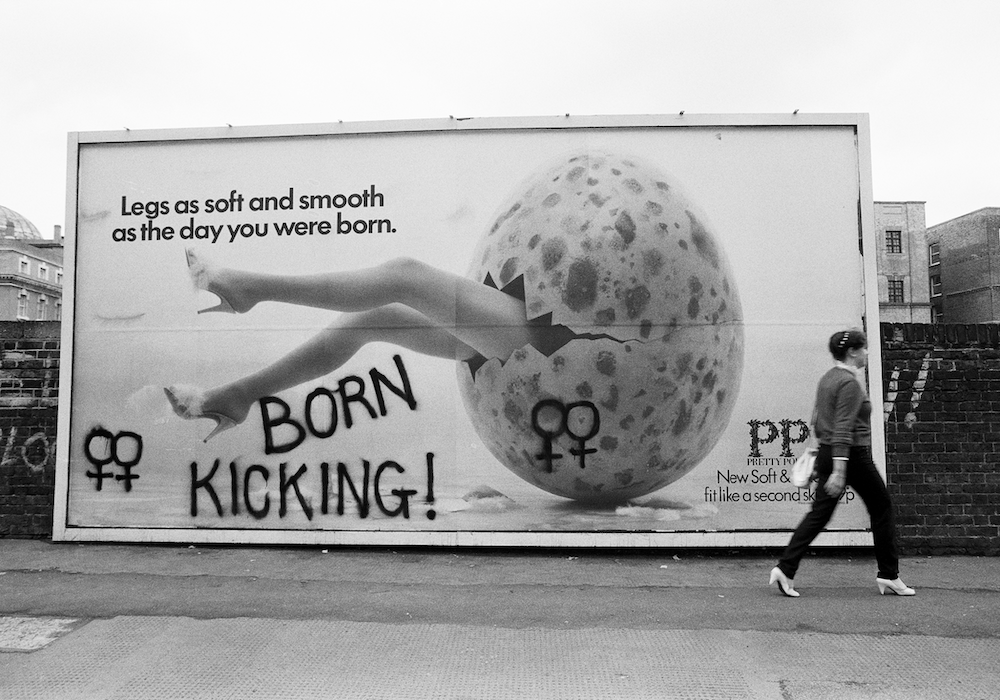
Jill Posener’s photographs of feminist graffiti join them, along with work by the Guerrilla Girls, Holzer and Fairey. A film by Nadya Tolokonnikova, founder of Pussy Riot, adds another voice. Together they ask how protest travels between street and gallery, and who gets heard when it does.
Music has its own room. 2 Tone Records began in Coventry in 1979, founded by Jerry Dammers. It mixed Jamaican ska with punk energy and a plainly anti-racist message. The Specials, The Selecter, The Beat and Madness came out of it. Visitors will find original artwork, posters, badges and Janette Beckman’s photographs of The Specials. Pauline Black, frontwoman of The Selecter, contributes too. There are original storyboards for the video “A Message to You, Rudy”. The Walt Jabsco figure, drawn from Peter Tosh, shares space with Hunt Emerson’s Beat Girl. The point is that the movement’s look mattered as much as its sound, and the Big Issue marks its 35th anniversary with a wall of 35 of its most striking covers.
Goldie gets an entire room. He has rebuilt a Metalheadz record shop to honour the label’s part in jungle and drum and bass. Thirty years of his short films and music videos play across 30 stacks of old televisions. The installation links his start as a graffiti writer to his later influence on British music.
Graffiti history gets serious attention. Futura 2000, Lady Pink and Zephyr appear beside a tribute to Martha Cooper and Henry Chalfant’s Subway Art. London’s story comes through Tube graffiti archives and Freestyle ’85, which brings back photographs, film and material from a landmark 1985 event at Covent Garden. Errol Donald, known as Pride, offers a first-hand view of the scene and its Caribbean roots.
The hip-hop archive of Paradise Grey and Pete Nice arrives in London for the first time. Its photographs follow the genre’s early decades, from stars to clothes, parties and neighbourhoods. Many have never been seen in the U.K.
Normski’s pictures of Public Enemy and Soul II Soul sit alongside contributions from Don Letts, Cooper, Beckman, the Hip Hop Connection archive and BreakBeat Lou’s Ultimate Breaks and Beats. Punk and reggae lead to hip-hop and jungle in one connected thread.
The show also makes room for women claiming space. GG the Illustrator, who aims to document over 100 London council estates, makes her major gallery debut. Chantal Pinzi’s Shred the Patriarchy follows women who skateboard in India, Morocco and Ethiopia.
The organisers describe the whole as something to be felt, not merely viewed. Many works were made for the show. Paintings, fashion, ephemera, installations and interactive pieces cover the rooms. Different scenes take different forms, but the urge behind them is the same. Make something, break something and be heard.
Beyond the Streets opens on 11 November and runs until 5 May 2027. Tickets start at £15. This is an all-new show, not a repeat.