
The Van Gogh Museum and the Ministry of Education, Culture and Science have ended their dispute over who pays to fix the museum’s building. A mediation process concluded this week with a settlement agreement that funds the renovation, and the open question about the museum’s future is now answered.
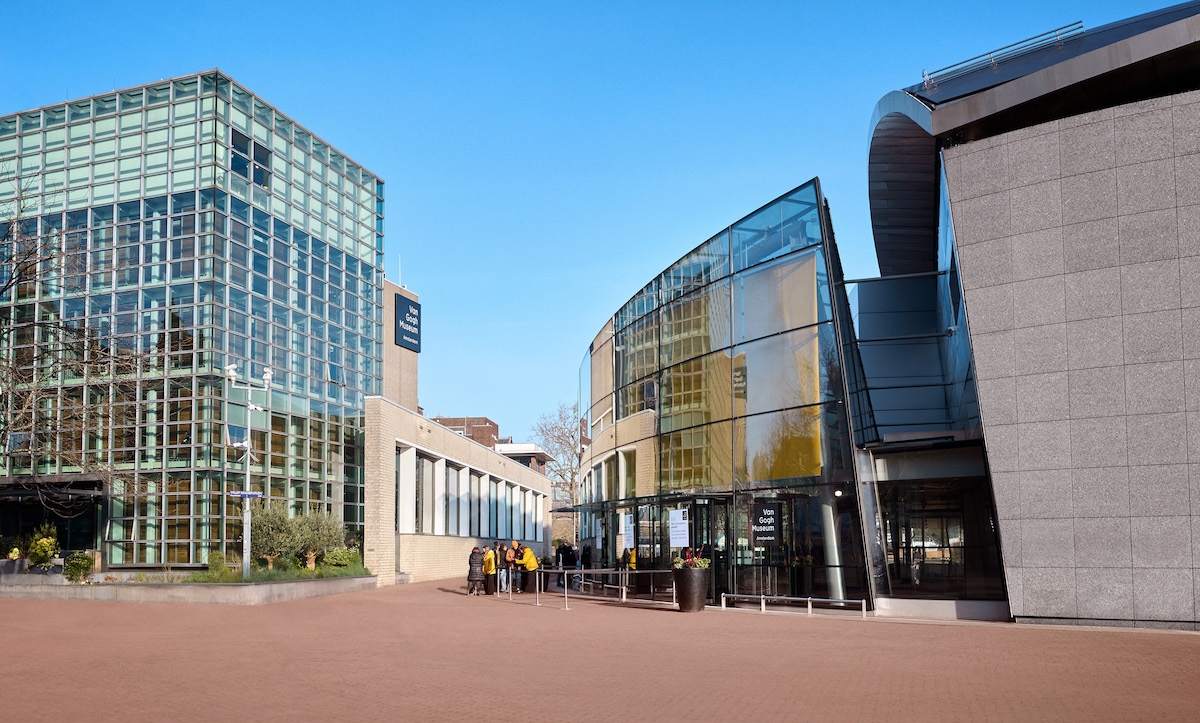
The building, which opened in Amsterdam on 2 June 1973, has been in heavy use for more than fifty years. According to the museum, it can no longer be called future-proof. Without intervention, its condition would in time fall short of what is needed for security, climate control and sustainability, three things a museum holding fragile works on paper cannot do without.
Emilie Gordenker, the museum’s general director, said the renovation is needed to preserve both the building and the collection for visitors, staff and future generations. She described the settlement as being in the spirit of the original agreement between the Dutch State and the museum’s founder, V.W. van Gogh, and said the museum was relieved and grateful to move on.
Construction is planned to start in the autumn of 2028. The scope is maintenance, sustainability improvements and general future-proofing. Most of it will be done behind the scenes, and the museum says the building itself will not change much. It intends to remain partially open while the work continues, and the permanent collection will remain available to visitors. The announcement gives no figures for the cost or the split between the two parties.
The agreement carries some history. The museum exists because of the artist’s family. When Vincent died in 1890, his unsold work went to his brother Theo, and when Theo died a few months afterwards, his widow, Jo van Gogh-Bonger, took over its care and promotion. Her efforts did much to build Van Gogh’s reputation after his death. Her son, Vincent Willem van Gogh, established the Vincent van Gogh Foundation in 1962 and partnered with the state to build a national museum for the collection.
That building was designed by Gerrit Rietveld, who died in 1964. His partners Joan van Dillen and J. van Tricht completed it. Kisho Kurokawa added an elliptical Exhibition Wing in 1999 to cope with growing visitor numbers, and a glass entrance hall linking the two structures followed in 2015.
What the work protects is the world’s largest Van Gogh collection: more than 200 paintings, 500 drawings, and 700 letters, including The Sunflowers, Almond Blossoms, and The Potato Eaters. Over two million people visit each year.