


Ittai Gradel, the Danish antiquities dealer whose persistence exposed one of the most serious institutional failures in the British Museum’s history, has died of renal cancer in a Danish hospice. He was 61. The timing of his death carries its own particular sadness. He died just days after the museum presented him with a rare medal in recognition of his role in recovering more than 360 stolen artefacts, a belated acknowledgement from an institution that had spent two years ignoring the warnings he had tried to press upon it.
The current director of the BM, Nicholas Cullinan, said the medal was in recognition of his “expertise” and “passionate determination that wrongs should be righted”.
Gradel, who uncovered internal thefts at the BM, began with an unlikely discovery. While browsing eBay in 2021, he noticed items from the museum’s Greek and Roman collections offered for sale at nominal prices. He recognised what he was looking at, purchased more than 360 of the objects, and alerted both the museum and Scotland Yard. The museum’s initial response, by Gradel’s account, was deeply inadequate. Despite the evidence he provided, including a PayPal receipt linked to a senior curator, his warnings were effectively set aside for two years. It was only after sustained pressure from Gradel that the museum formally reported the crimes, and a full police investigation was launched. That investigation remains ongoing.
Approximately 2,000 items were found missing, stolen, or damaged from the collection, many of them never properly catalogued, making it extraordinarily difficult to determine their number and value. The crisis prompted the resignation of museum director Hartwig Fischer in August 2023. It triggered an external review conducted by former board member Sir Nigel Boardman, Chief Constable of British Transport Police Lucy D’Orsi and Deputy High Court Judge Ian Karet. Their 30-page report, partially withheld on security grounds and due to the ongoing police investigation, made 36 recommendations covering inventory management, security protocols, and what the reviewers described as the need for a more modern and inclusive approach to institutional governance. The museum’s trustees accepted all of them.
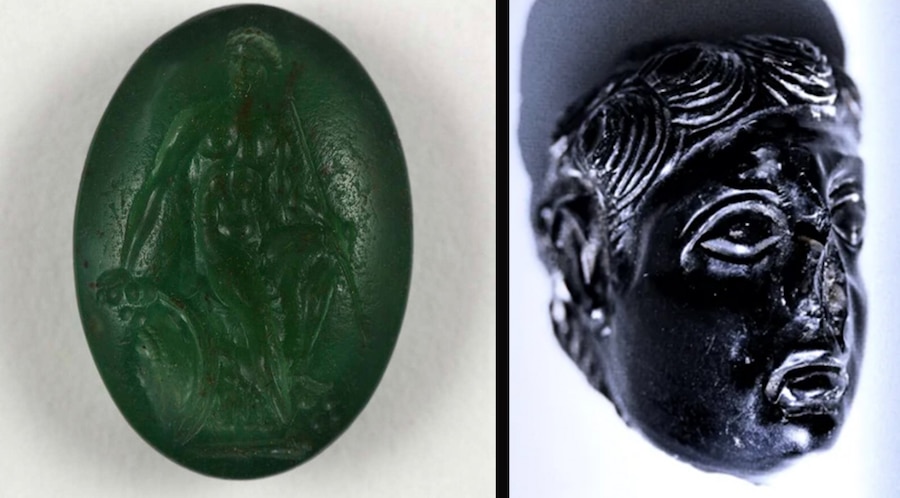
British Museum recovered Stolen Artefacts
The sole suspect in the case is Peter Higgs, a senior curator who worked at the museum for decades and is alleged to have stolen artefacts over approximately 30 years, selling items from the museum’s storerooms for a total of around £100,000. Many of those items, including some ancient Roman gems of considerable value, were sold on eBay for sums that bore no relation to their worth, which is how Gradel was able to spot them. Higgs has maintained his innocence throughout, has declined to cooperate with the museum’s attempts to address the matter, and has not responded to press inquiries. His family has continued to assert his innocence.
George Osborne, the museum’s chairman, described the theft as an inside job, a characterisation that points to the particular difficulty of the situation. An institution that depends on the expertise and integrity of its curatorial staff to manage a collection of millions of objects, many of them inadequately catalogued, is structurally vulnerable in ways that the Boardman review has only partially addressed. The recommendations for more frequent and more extensive inventory checks and for identifying unregistered artefacts are welcome and necessary. Whether they are sufficient is a question the museum will take years to answer.
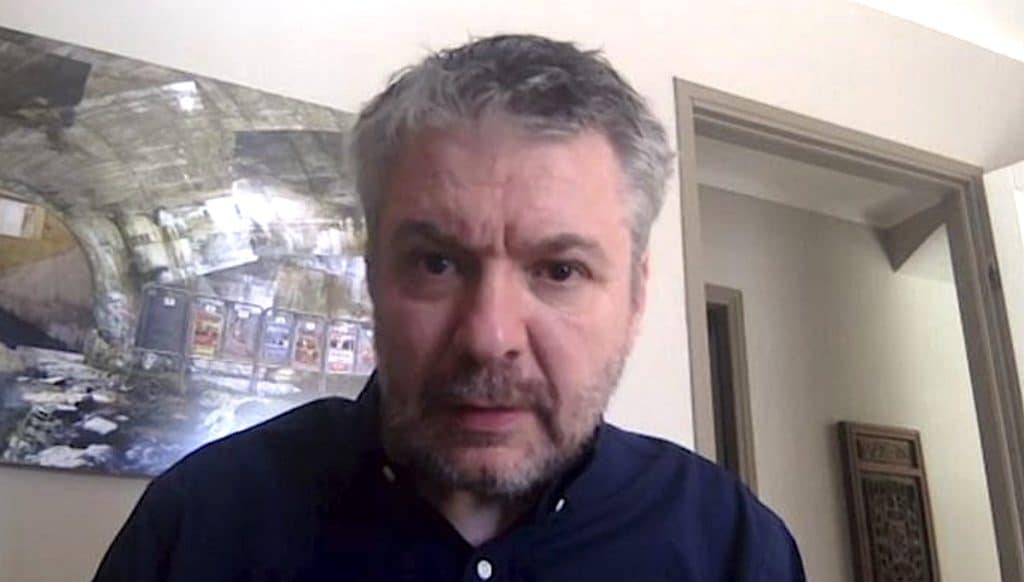
Ittai Gradel
Of the 651 items formally identified as stolen or missing, 351 have been returned to the museum. Gradel was personally responsible for tracking down 350 of them, working through dealers and collectors worldwide with a tenacity that the institution he was helping conspicuously failed to match in its initial response to his concerns. Before his death, he expressed frustration with the pace of the legal proceedings and the absence of any final resolution, describing the situation with a restraint others might not have mustered as, simply, a bit annoying.
That understatement, from a man who had spent years pursuing a case that the British Museum had tried to minimise, who had recovered hundreds of objects that should never have left the building, and who had died before seeing the legal process reach its conclusion, says something about both his character and the nature of what he was up against. The museum has spoken of its commitment to transparency, accountability and the protection of its collection. Those commitments will be tested in the months ahead, in the continued investigation, in the implementation of the Boardman recommendations, and in the question of how an institution of this standing allowed the situation to develop in the first place.
Ittai Gradel did not live to see the answers. The British Museum owes it to him, and to the public it serves, to find them.
Photo attribution: DAVID ILIFF License: Creative Commons