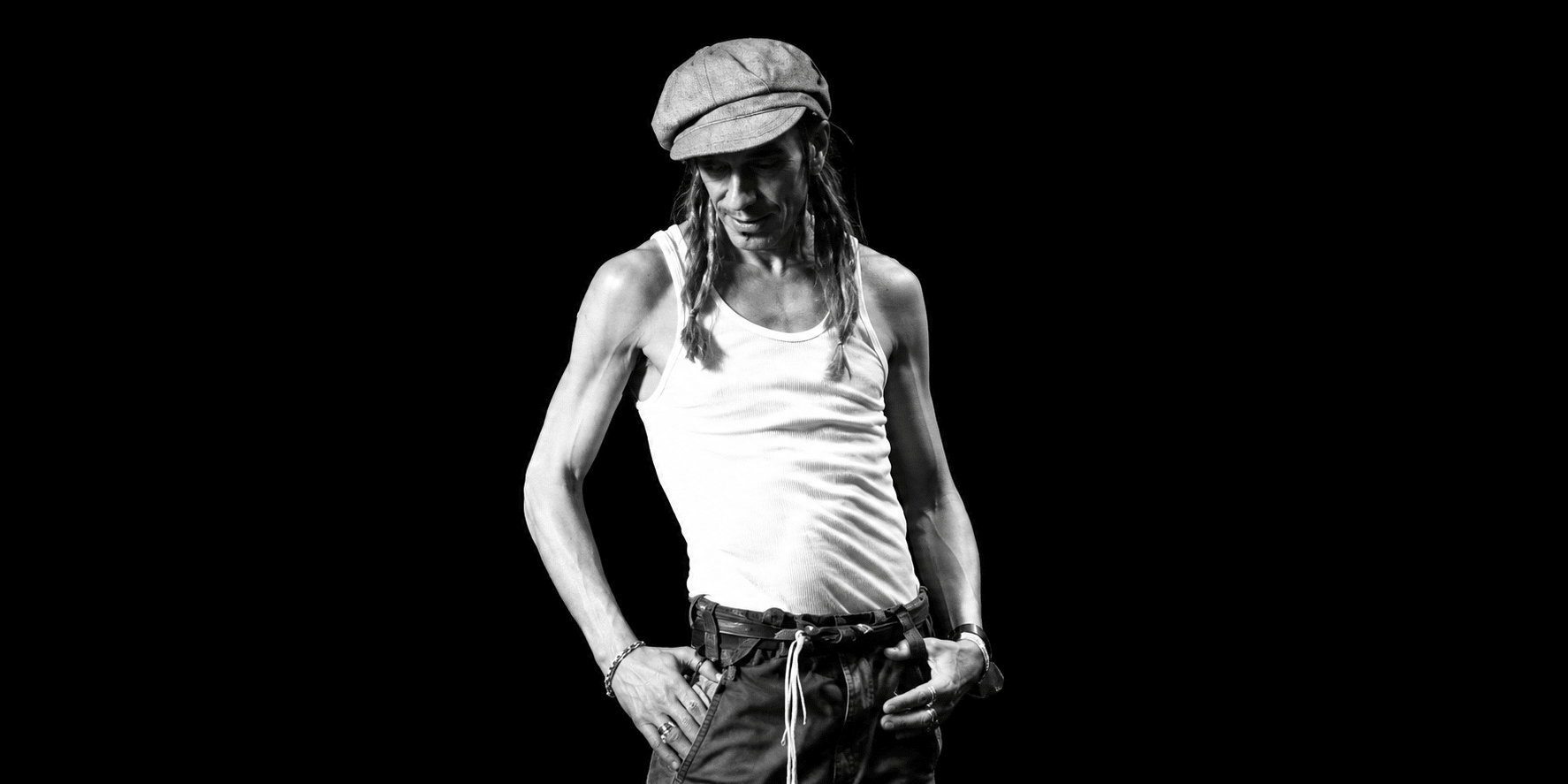
The Metropolitan Museum of Art has scrapped its planned John Galliano retrospective, pulling the plug on what was meant to be the Costume Institute’s flagship exhibition for May 2027. This slot would have coincided with the Met Gala, the museum’s glitziest fundraising night of the year.
The reversal comes after weeks of mounting pressure from donors, politicians and public figures who objected to honouring a designer with a criminal conviction for hate speech. Galliano was found guilty of a hate crime by a French court in 2011, after directing antisemitic and anti-Asian abuse at patrons of a Paris bar. He has since apologised repeatedly, undergone treatment, and rebuilt his career most notably as creative director of Maison Margiela between 2014 and 2024, a tenure widely credited with restoring his standing in fashion circles.
None of that rehabilitation proved sufficient to quiet the objections once the exhibition became public knowledge at the end of July. Opposition had been simmering privately for weeks, largely conducted through emails sent directly to Met curators and senior leadership, before the New York Times brought the correspondence to light in a report published last Friday. Within days, the museum announced the show would not proceed. Among the most forceful critics named in the NY Times’ reporting was Arne Glimcher, the octogenarian founder of Pace Gallery, whose relationship with the Met stretches back decades through significant gifts of work by artists including Agnes Martin, Robert Mangold, Lucas Samaras and Mark Rothko. Glimcher and his wife, Milly, also joined their son, Marc, and former daughter-in-law, Fairfax Dorn, in donating a Julian Schnabel canvas to mark the museum’s 150th anniversary. Pace has represented all four artists over the years.
According to the Times, Glimcher wrote directly to David Breslin, the Met’s curator overseeing modern and contemporary art, warning that the museum had failed to grasp the consequences of moving ahead. He indicated that promised bequests earmarked for the Met in the couple’s wills were now under review, though it remains unclear precisely which pieces were at stake or whether any formal commitment had ever been made. Pace Gallery has not yet responded to a request for comment.
Timing appears to have sharpened the controversy considerably.
Julie Menin, speaker of the New York City Council, said in a letter sent to Met director Max Hollein, Costume Institute curator Andrew Bolton, and Vogue’s Anna Wintour the latter a Costume Institute power broker and longtime Met Gala co-chair arguing the exhibition amounted to a genuine misstep on the museum’s part.
Not everyone on the Met’s board shared that assessment. Trustee and writer Andrew Solomon pushed back publicly, suggesting to the NY Times that standing firm against pressure campaigns was the more principled path than capitulating to them. Whether that view carried the room is unclear. Still, the paper reported that board members had been due to convene specifically to weigh the exhibition’s future; discussions that evidently concluded with the show’s cancellation rather than a reworking of its scope.
Hollein had already sought to get ahead of the criticism before the cancellation, telling the Times the institution held zero tolerance for antisemitism, racism or prejudice of any description, and stressing ongoing dialogue with Jewish community leaders and other concerned parties. The museum had, in fact, consulted with representatives of Jewish organisations while developing the exhibition, a step that ultimately did little to blunt the backlash once details of the private correspondence became public.
In the statement confirming the cancellation, Hollein struck a more conciliatory note, attributing the decision to careful conversations held with Galliano himself rather than framing it as a capitulation to outside pressure. The accompanying release included an extended statement from the designer, several paragraphs long, in which he expressed sorrow that the show would not go forward and reaffirmed his sense of responsibility for the harm his past remarks had caused, particularly within Jewish and Asian communities. He described genuine atonement as something achieved through sustained conduct and reflection rather than through any single exhibition or institutional gesture an argument that, notably, mirrors the very case his critics had been making against staging the retrospective at all.
The following statement was issued by the Met:
(New York, August 31, 2026)—The Metropolitan Museum of Art and John Galliano together announced today that the exhibition John Galliano: Horizons, previously scheduled to open in May 2027, will not proceed as planned. Information on a new spring Costume Institute exhibition and the 2027 Met Gala will be announced at a later date.
Statement from Max Hollein, Director and CEO of The Metropolitan Museum of Art: “Following thoughtful discussions with John Galliano, we have together decided not to proceed with the exhibition.”
John Galliano stated: “I am profoundly grateful to The Metropolitan Museum of Art, and particularly to Max Hollein, Andrew Bolton and Anna Wintour, for the extraordinary honour of proposing an exhibition devoted to my work. To have my creative journey considered by an institution that I have admired throughout my life moved me more deeply than I can express. I will remain forever grateful for the confidence, care and scholarship that Max, Andrew, Anna and the entire Met team brought to this project.
After much reflection and discussion with The Met and all those involved, I have decided, with great sadness, that it is best for the exhibition not to take place at this time. I remain fully accountable for the pain caused by my words in the past, particularly the hurt I caused to the Jewish and Asian communities, and I remain deeply sorry for it. I understand that meaningful atonement is not achieved through an exhibition, institutional recognition or a single public gesture. It is a continuing responsibility, demonstrated through listening, learning and one’s conduct over time.
I do not want the debate surrounding me to place The Met in a difficult position or to distract from the remarkable work of the Costume Institute. I also recognise and respect that an exhibition honouring my work would be painful for some. I would also like to express my deepest gratitude to all those who have guided, supported and accompanied me throughout these fifteen years of sobriety and recovery from alcoholism and addiction. Your wisdom, patience and humanity have helped me more than I can ever adequately express. I remain profoundly indebted to you for giving me, as you promised, a life better than I could ever have dreamt of. My gratitude to The Met, Max, Andrew and Anna remains profound and enduring. Their generosity, humanity and belief in the importance of fashion as art, culture and history, as well as their understanding of human fragility and the possibility of growth, will remain with me always.”
Statement from Andrew Bolton, Curator in Charge of The Met’s Costume Institute: “I believe deeply in the responsibility of museums to examine difficult histories with rigor, candor, and care. I also recognize the pain and concern this exhibition has caused. After extensive discussion, I support the decision not to proceed. I remain deeply grateful to my colleagues and to the advisors, lenders, collaborators, and community leaders who contributed their knowledge, trust, and perspectives to the project.”
Statement from Met Trustee Anna Wintour: “John’s decision that the exhibition devoted to his work should not take place at this time is very courageous and a measure of the man he is. I believe this is the right decision, and both he and the Museum have my full support.”
The episode leaves the Costume Institute without a marquee show for its most closely watched calendar date. It raises fresh questions about how the Met vets high-profile exhibitions before public announcement, given that objections from figures as significant as Glimcher were apparently circulating internally for weeks before the story broke. Whether the museum will reprogram the May 2027 slot with an alternative designer or take a longer pause to reconsider how such decisions are made has not yet been addressed. For now, the Galliano show joins a growing list of major cultural projects derailed less by public protest than by the quieter mechanics of donor leverage and boardroom persuasion.
Photo: Courtesy, Wikimedia Commons