

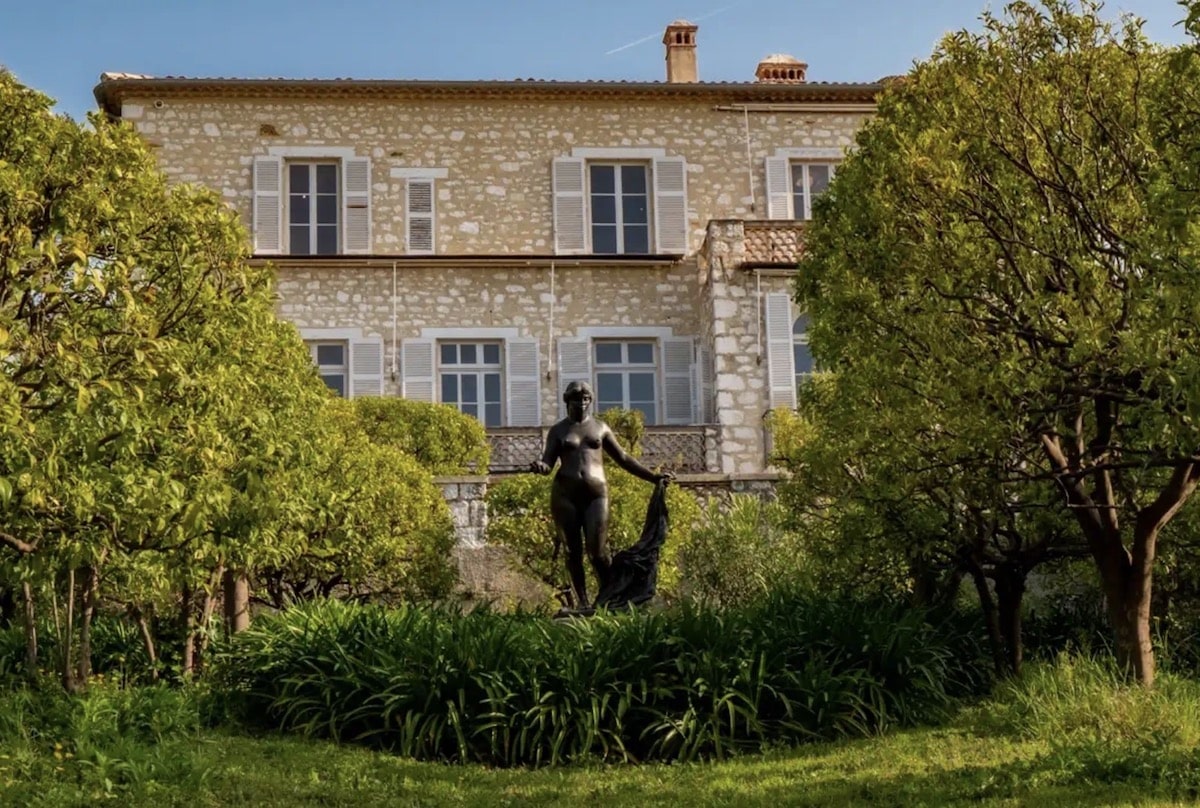
Two thieves broke into the Renoir Museum in Cagnes-sur-Mer early Tuesday morning and made off with four artworks, according to French authorities, in the latest incident to strike an art institution already reeling from a wave of high-profile thefts across the country. it has now been reported that the thieves abandoned two paintings in the garden as they fled. The two stolen paintings are: Portrait of Madame Colonna Romano (1910) and Jeune fille au puits (1886), two others were abandoned
Police arrived at the small southern town’s museum within five minutes of the alarm sounding, the Town Hall said in a statement posted to social media. Surveillance footage captured the pair inside the building, and the statement noted that they had initially grabbed four pieces before dropping one during their escape, leaving with three.
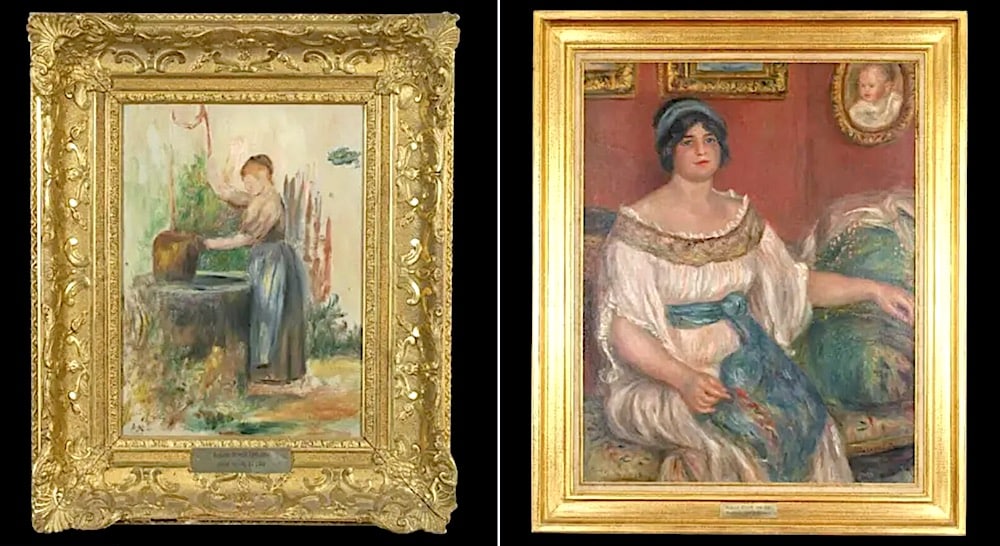
Jeune fille au puits and Portrait of Madame Colonna Romano are still missing
The timing is difficult to ignore. The theft comes almost exactly a year after thieves broke into a gilded gallery at the Louvre and made off with royal jewels valued at more than $100 million, an audacious heist that remains the most prominent entry in a growing list of thefts targeting French cultural and religious institutions over the past several years.
Bryan Masson, the mayor of Cagnes-sur-Mer, did not mince words in his own statement. “Attacking the Renoir Museum amounts to attacking part of Cagnes-sur-Mer’s history and heritage,” he wrote, calling the theft particularly serious and arguing that it exposes the urgent need for what he described as a comprehensive plan to secure the town’s museums and protect its artworks going forward.
Officials have not yet disclosed which specific pieces were taken. The museum’s permanent collection includes thirteen paintings and roughly forty sculptures by Pierre-Auguste Renoir, one of the central figures of French Impressionism, alongside furniture that once belonged to the artist’s family and a collection of photographs documenting his life and work. The museum has been closed indefinitely while authorities investigate.
The break-in adds France to a growing list of European countries where museums and cultural sites have struggled to keep their most valuable holdings secure. Earlier this year, thieves made off with nuggets of raw gold worth an estimated $700,000 from the National Museum of Natural History in Paris. A separate theft saw porcelain dishes valued at $11 million disappear from a museum in a city long associated with fine ceramics, while another incident involved the disappearance of one hundred golden Huguenot crosses from a small regional museum.
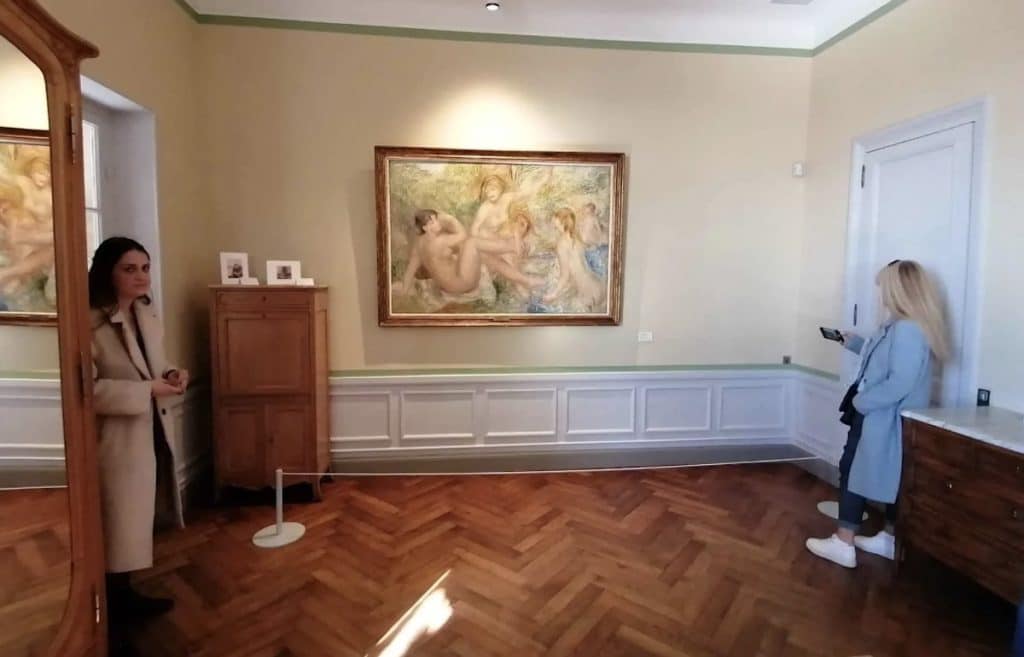
Renoir Museum in Southern France Hit by Daylight Art Theft
Perhaps the most striking recent case before the Louvre heist involved the Princess of Vix’s gold torque, a Celtic artefact roughly 2,500 years old that the French culture ministry has described as a masterpiece of ancient goldsmithing. It was stolen in broad daylight from a museum in the Burgundy region back in July, an incident that appeared to catch security staff almost entirely off guard.
That theft prompted the culture ministry to announce a sweeping response just days later, acknowledging what it called an increasingly organised, swift and determined pattern of thefts targeting the country’s cultural institutions. The resulting plan lays out 33 separate measures intended to strengthen security culture across French museums, including efforts to map which sites are most vulnerable, the recruitment of specialised police units focused on art crime, and additional protective measures for works deemed at particular risk of theft.
It is not known if any measures had reached Cagnes-sur-Mer before Tuesday’s break-in. What is evident is that the Renoir Museum now joins a lengthening roll call of French institutions forced to confront the same uncomfortable question facing curators and officials across the country: how to protect irreplaceable cultural heritage that, by its very nature, must remain accessible to the public it belongs to, even as that same accessibility appears to be making such sites increasingly attractive targets for organised crime thefts.
James Ratcliffe from the Art Loss Register said: “Sadly, without further funding to improve museum security, we are likely to see an increase in the number of museum thefts we see. Each time thefts occur, it draws yet more attention to the perception of these museums as relatively easy targets. That can only encourage some criminals to consider them as straightforward places to steal from.”
Top Photo Courtesy: Renoir Museum in Cagnes-sur-Mer, France